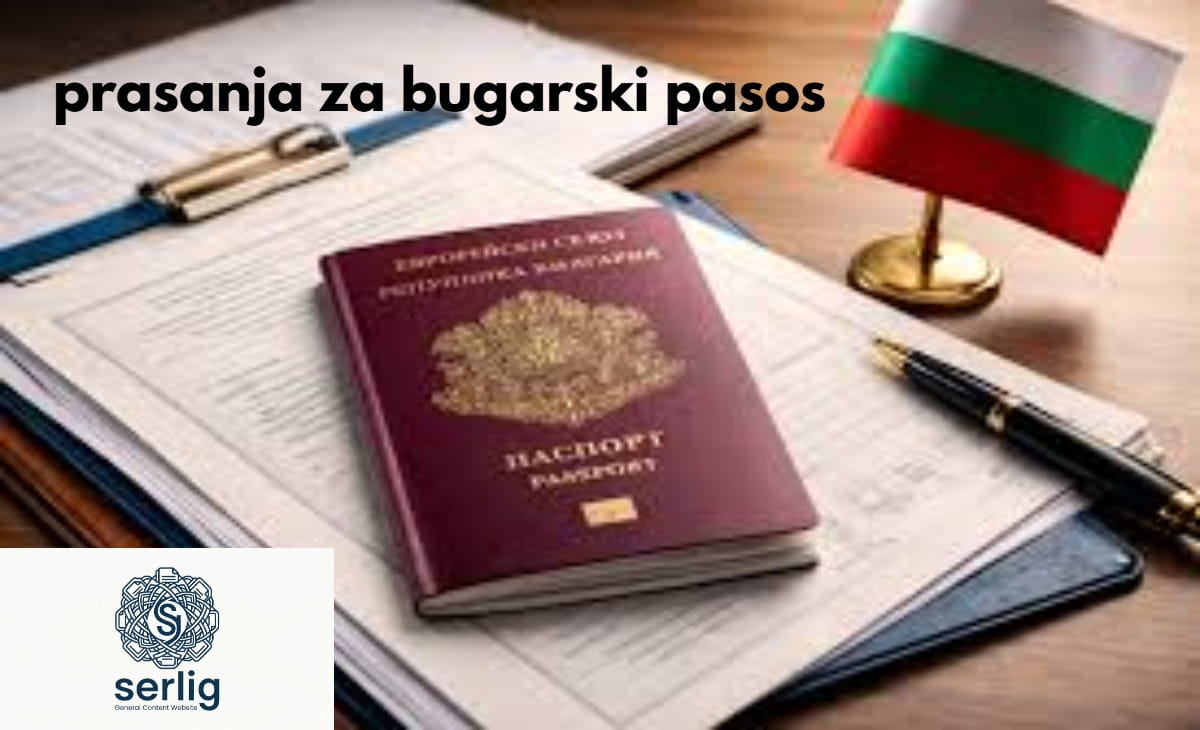
Prasanja za Bugarski Pasos: 7 Shocking Truths About Getting a Bulgarian Passport in 2026
The phrase prasanja za bugarski pasos means “questions about the Bulgarian passport.” It has exploded in search popularity — and the reasons are clear.
Bulgaria is a full EU member. Since 2025, it also joined the Schengen Area. That makes the Bulgarian passport one of the strongest travel documents on earth. Holders get visa-free access to 170+ countries. They can live and work freely across 27 EU member states. They cross 28 Schengen borders without checks.
People asking prasanja za bugarski pasos come from everywhere. Some are descendants of Bulgarian emigrants in the Americas. Others are long-term residents or investors. Many come from Balkan countries with historical Bulgarian ties.
This guide answers every important question directly. No legal jargon. No vague explanations. Just clear, actionable information.
Quick Facts: Bulgarian Passport at a Glance
| Feature | Details |
| Full Name | Republic of Bulgaria Passport |
| Issuing Authority | Ministry of Interior, Bulgaria |
| EU Member Since | 2007 |
| Schengen Member Since | 2025 |
| Visa-Free Countries | 170+ |
| Citizenship by Descent | Up to 3rd generation (great-grandparent) |
| Dual Citizenship Allowed | Yes (for descent-based applicants) |
| Language Test Required | No (for descent) / Yes (for naturalization) |
| Processing Time | 1–3 years (descent) / 2–5 years (naturalization) |
| Investment Program | Closed since 2022 |
What Is a Bulgarian Passport — And Who Qualifies?
A Bulgarian passport is issued only to Bulgarian citizens. This is the most important thing to understand. The passport process and the citizenship process are the same journey.
You cannot apply for a Bulgarian passport without being — or becoming — a Bulgarian citizen first.
Bulgarian law offers six legal pathways to citizenship.
1. By Birth
A child born to at least one Bulgarian parent becomes a Bulgarian citizen automatically. It does not matter where the birth happens. Citizenship follows the blood, not the soil.
2. By Descent (Repatriation)
This is the most popular route. Article 15 of the Bulgarian Citizenship Act allows foreign nationals to claim citizenship if a direct ancestor — up to the third degree — was a Bulgarian citizen or ethnic Bulgarian. That includes parents, grandparents, and great-grandparents. No Bulgarian residency is required. The process can run entirely through embassies abroad.
3. By Naturalization
Foreign nationals who have lived legally in Bulgaria for five continuous years may apply. They need a clean criminal record, a lawful income, and basic Bulgarian language skills.
4. By Marriage
Spouses of Bulgarian citizens may apply — but only after eight years of residency in Bulgaria. This surprises many applicants who expect a faster route.
5. By Investment
The direct “golden passport” program closed in 2022. Investors can still gain temporary or permanent residency through financial investments. That residency can later support a naturalization application.
6. For Exceptional Contributions
Bulgaria may grant citizenship by presidential decree to individuals who made outstanding contributions in science, culture, sport, or economics.
Prasanja za Bugarski Pasos: Top Questions Answered
Can I Apply from Outside Bulgaria?
Yes. For descent-based applications, there is zero residency requirement. You manage everything through a Bulgarian embassy or consulate in your home country. You do not need to visit Bulgaria — though some applicants choose to.
How Many Generations Back Can I Go?
Up to three degrees of direct lineage. Your great-grandparent can be your qualifying ancestor. This is generous compared to most EU countries. Diaspora communities in Israel, Turkey, the US, Canada, Argentina, and former Yugoslav states benefit greatly from this rule.
Note: Great-grandparent claims need a four-generation document chain. Expect more complexity and time.
Does Bulgaria Allow Dual Citizenship?
Yes. Section 12, Paragraph 2 of the Citizenship Act explicitly permits dual citizenship for descent-based applicants. You keep your existing passport. You add a Bulgarian one. No renunciation needed. This applies to US, Canadian, UK, and most other citizens.
Is Bulgarian Language Required?
For descent applicants — no. Interviews, if needed, happen in English or with a translator. For standard naturalization — yes. The exam has 20 multiple-choice questions. You need 12 correct answers to pass. It covers reading, basic grammar, and everyday situations. Senior citizens and Bulgarian-descent applicants may qualify for an exemption.
How Long Does Everything Take?
- Citizenship by descent: 1 to 3 years
- Standard naturalization: 2 to 5 years (includes the 5-year residency period)
- After approval: several more weeks to receive your identity card and passport
Applications submitted in early 2026 should expect decisions by early 2027. Delays happen — especially when archival research is involved.
Documentation: The Full Checklist
Getting documents right is where most prasanja za bugarski pasos journeys succeed or fail. One wrong translation can freeze your application for months.
Standard Documents for Descent Applicants
- Valid passport and national ID
- Your birth certificate (apostilled and translated into Bulgarian)
- Birth and death certificates of your Bulgarian ancestor
- Archival proof of the ancestor’s Bulgarian citizenship — school records, church baptismal records, Bulgarian passports, or military service documents
- Police clearance certificate from your country of residence
- Medical certificate (no infectious diseases)
- Proof of current address (utility bill or lease)
- Certificate of Bulgarian Origin from the State Agency for Bulgarians Abroad (if applicable)
Critical Rules on Documents
All foreign documents need apostille certification. Then a sworn Bulgarian-law translator must translate them. Even small translation errors cause delays. Simple ancestry statements carry less weight than school records that explicitly name Bulgarian ethnicity. Military documents are also strong evidence.
The Interview and Verification Stage
What Authorities Actually Check
The interview is not a trap. It is a verification step. Authorities confirm your identity, check your documents, and make sure your claims are genuine.
Expect questions about your family history, the documents you submitted, why you are applying, and your plans regarding Bulgaria or the EU.
Why Consistency Is Everything
Inconsistent answers are the number-one red flag. If you say something different on a form than you do in the interview, authorities will notice. Know your family history. Know your documents. Make sure every answer matches your paperwork.
The Benefits: What You Actually Get
EU Freedom of Movement
Live, work, study, or retire in any of the 27 EU member states. No visas. No work permits. This covers Germany, France, the Netherlands, Ireland, Sweden, and more.
Schengen Area Travel
Since 2025, Bulgarian passport holders cross 28 European borders without checks or delays.
Global Visa-Free Access
Travel visa-free or with visa-on-arrival to 170+ countries. That includes the US, Canada, Japan, Australia, and South Korea.
Voting Rights
Vote in European Parliament elections. Vote in local elections in whatever EU country you live in.
Education Benefits
Access EU universities at domestic tuition rates. Non-EU students often pay three to five times more. For families, this saves tens of thousands of euros.
Healthcare and Social Benefits
Access healthcare and social welfare across the EU on equal terms with local citizens.
Affordable Base Country
Bulgaria has one of the lowest costs of living in the EU. It suits remote workers, retirees, and entrepreneurs looking for an affordable EU home base.
Costs: What to Budget
Prasanja za bugarski pasos always include cost questions. Here is an honest breakdown:
- Document gathering: Variable — archival research can be expensive, especially across multiple countries
- Translation and legalization: Fees add up fast for multi-generational claims
- Legal help: Immigration lawyers or agencies charge a few hundred to several thousand euros
- Bulgarian administrative fees: Relatively low
Total budget range: a few hundred euros for simple cases, up to several thousand for complex, multi-generational claims.
Common Mistakes That Sink Applications
Relying Only on Birth and Death Certificates
These are rarely enough on their own. School records showing Bulgarian ethnicity and military service files carry more legal weight.
Using Unqualified Translators
Translations must come from certified sworn translators under Bulgarian law. An uncertified translation — even a perfect one — can make documents legally invalid.
Giving Inconsistent Answers
Different responses at different stages raise red flags. Stay consistent across every form, letter, and interview.
Submitting Expired Police Clearances
These documents expire. Check the validity period required at the time you apply — it can change.
Underestimating the Timeline
Months become years. Plan for the long road. If you need the passport by a specific date, start as early as possible.
Conclusion: Your Prasanja za Bugarski Pasos Are Now Answered
The Bulgarian passport is not the easiest EU passport to get. But it is one of the most rewarding.
Start by checking your eligibility. If you have Bulgarian ancestry up to three generations back, you likely qualify. Collect your documents early — this step takes longer than most people expect. Use certified translators. Stay consistent in every answer you give. And set realistic expectations: the process takes years, not months.
The payoff is real. A Bulgarian passport opens Europe, unlocks global travel, and grants EU rights that follow you for life. For anyone serious about EU citizenship, prasanja za bugarski pasos lead to one of the most valuable destinations available today.
You may also like this article covering a similar topic: Who Is Andrea Thoma? The Doctor, Athlete & Fitness Entrepreneur You Need to Know
FAQs
What does prasanja za bugarski pasos mean in English?
It translates to “questions about the Bulgarian passport.” The phrase is widely used by people researching Bulgarian citizenship and passport requirements, particularly in Balkan communities and among Bulgarian diaspora members.
Can I get a Bulgarian passport if my grandfather was Bulgarian?
Yes. Bulgaria allows citizenship by descent up to the third generation. If your grandfather was a Bulgarian citizen or ethnic Bulgarian, you qualify to apply under Article 15 of the Bulgarian Citizenship Act — provided you can support the claim with proper documentation.
Do I need to speak Bulgarian to get a Bulgarian passport?
Not if you are applying by descent. Language proficiency is waived for descent-based applicants. If an interview is needed, it can take place in English or with a certified translator. Standard naturalization applicants must pass a Bulgarian language exam.
Is Bulgaria’s golden passport program still open?
No. Bulgaria closed its citizenship-by-investment program in 2022. Investors can still obtain residency permits through financial investment, which may eventually support a naturalization application, but direct citizenship through investment is no longer available.
How much does it cost to get a Bulgarian passport?
Total costs vary widely. Simple descent-based cases may cost a few hundred euros in document and administrative fees. Complex cases involving multi-generational archival research and legal representation can run into several thousand euros. Administrative fees charged by Bulgarian institutions are generally low; the larger costs come from document sourcing, translation, legalization, and professional legal help.