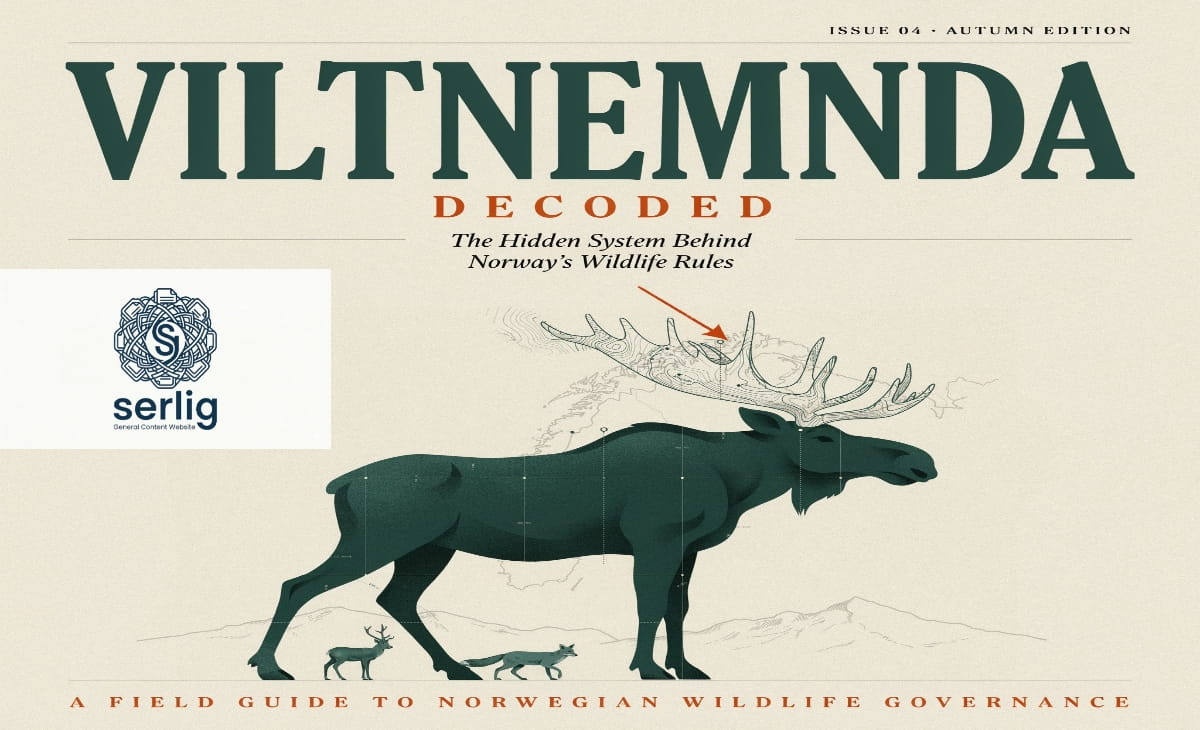
Viltnemnda Decoded: The Hidden System Behind Norway’s Wildlife Rules
If you live in a Norwegian municipality, hunt, farm, or own land with forest and wilderness, you’ve probably heard the word “viltnemnda” (the wildlife board). It comes up when people discuss hunting quotas, injured animals, or culling permits. But what is the viltnemnda? What does it actually do? And how has its role changed over time? This article answers all of these questions. It also explains today’s local wildlife management system in Norway.
A Quick History: From State Body to Local Responsibility
The term Viltnemnda has deep roots in Norwegian administration. From 1952 to 1992, every municipality had a state-run wildlife board. The municipal council appointed its members. These boards carried out wildlife-law duties at the local level on behalf of the state.
Everything changed in 1993. The government abolished the viltnemnd as a state body that year. It then handed wildlife management responsibility to individual municipalities. This gave each municipality freedom to organize the work however it wanted.
As a result, models vary widely across the country today. Some municipalities kept an elected board and still call it a “viltnemnd.” Others dropped this model entirely. They moved the responsibilities to different bodies instead. Common names for these include the fallvilt group (the injured-wildlife response team), the hunter corps, or the search-and-recovery corps.
It’s worth noting one thing here. Today’s “viltnemnd” isn’t the same body as the old state-run version from before 1993. The name simply continues. Its scope, however, is now much more limited and locally defined.
The Legal Foundation: Norway’s Wildlife Act
Norway’s Wildlife Act (viltloven) forms the legal backbone of municipal wildlife management. Section 4 of the Act gives municipalities responsibility for wildlife management. Section 6 then lays out the specific duties involved.
The Nature Diversity Act (naturmangfoldloven) also plays a key role. It governs damage-prevention culling outside the normal hunting season. Municipalities can grant culling permits in certain cases. For example, they might do this when an animal threatens livestock, crops, or other property.
A third regulation matters too: the cervid management regulation. It requires municipalities to set clear goals for managing deer species. This includes red deer, moose, roe deer, and wild reindeer. The municipal council adopts these goals, and they typically cover several years.
What Does the Viltnemnda Actually Do?
Organizational structures differ from place to place. Still, the core tasks stay consistent across Norway. Here’s what falls under the viltnemnda’s umbrella — or whichever body has taken over its role.
Setting Hunting Quotas for Deer and Beaver
Quota-setting ranks among the most important tasks. The Viltnemnda proposes hunting quotas for deer species and beaver. It also promotes wildlife stewardship, supports hunting opportunities, and organizes wildlife management areas.
In practice, this means assessing local population health. Officials look at moose, red deer, roe deer, and beaver numbers within the municipality. They then propose harvest limits that won’t threaten these populations long-term. Several interests get balanced here. These include hunters’ interests, landowners’ rights, farming and forestry concerns, and biodiversity goals.
Combining Small Properties into Wildlife Management Areas
Many Norwegian properties are small. On their own, they’re impractical for wildlife management. So the viltnemnd helps combine these small properties. It groups them into larger, shared management areas. Multiple landowners can then coordinate together. They can manage harvest levels, share quotas, and plan wildlife stewardship as a group.
Fallvilt: Handling Sick, Injured, and Dead Wildlife
“Fallvilt” refers to sick, injured, or dead wildlife found in nature. This topic generates the most calls to municipal authorities. Municipalities have a legal duty to handle fallvilt involving deer species specifically.
But responsibility splits in interesting ways:
- Small game fallvilt is the landowner’s job, not the municipality’s.
- Large predators and birds of prey fall under the regional state administrator’s authority.
- Dead animals on or near roads are the road authority’s responsibility.
- Animals that died naturally in the wild are the landowner’s responsibility. If the carcass isn’t a major nuisance, it can simply stay there.
Most calls relate to vehicle or train collisions with wildlife. You can report these to your local emergency call center. They’ll forward the report to the municipality’s search-and-recovery corps.
Tracking and Recovering Wounded Animals
Tracking work goes hand-in-hand with fallvilt response. Big-game hunters must have access to an approved tracking dog team. If you don’t have one in your hunting group, you need an agreement with an approved team. The Norwegian Kennel Club maintains a list of approved teams.
Municipalities typically run their own fallvilt groups or search-and-recovery corps. These teams respond to collision reports. They also track wounded game during regular hunting seasons when an animal escapes after being hit.
Processing Meat from Fallvilt Animals
Sometimes fallvilt meat from deer species is safe to eat. In these cases, special rules apply. The meat must go through the same process as slaughtered animals. The Norwegian Food Safety Authority (Mattilsynet) must approve it. Proceeds from selling this meat go to the wildlife fund. This fund then helps pay for local wildlife management, including tracking operations.
Resolving Wildlife Conflicts in Residential Areas
Much of the contact between residents and wildlife authorities has nothing to do with hunting. Instead, it involves everyday conflicts between wildlife and city life.
Badgers are a classic example. Municipalities get frequent badger calls in spring and fall. Some residents find badgers fascinating. Others find them unsettling. Badgers can also damage lawns while digging for grubs. Despite being predators, badgers rarely threaten adults, children, cats, or dogs. Clapping your hands or shouting usually sends them away. If culling becomes necessary, specific regulations govern the process.
Nesting gulls cause similar issues. Urban gull nests lead to noise complaints all summer. Parent gulls aggressively defend their chicks during this time. One simple prevention method works well: remove accessible food sources, especially near garbage bins.
Municipalities generally prefer removing problem animals during the normal hunting season. Culling during breeding season can cause real suffering. Young animals left without parents may die slowly and painfully.
Large Predators Follow Separate Rules
Large predators occupy unique territory in wildlife management. They technically fall within the viltnemnd’s field. However, separate regulations govern them. The Norwegian Environment Agency and the regional state administrator hold management authority here, not the municipality. So municipalities mainly provide local knowledge and consultation input on predator matters. The actual decisions happen at a higher level.
How Is the Viltnemnda Organized Today?
No single model dominates across Norway. Here are the main approaches you’ll find:
A dedicated, named viltnemnd: Some municipalities still run a political committee called the viltnemnd. It has its own members, meetings, and administrative secretary. This committee processes cases based on authority delegated by the municipal council. It makes decisions within legal and council-set guidelines. Its powers include creating sub-committees, appointing search-and-recovery corps leaders, and managing the wildlife fund budget. Note: the viltnemnd chair can’t also lead the search-and-recovery corps. Additionally, the mayor, chief executive, or at least three members can refer a viltnemnd decision to the full municipal council. This request must be written and recorded before the meeting ends.
No political viltnemnd at all: Other municipalities took a more streamlined approach. They abolished the viltnemnd as a political body entirely. Instead, a search-and-recovery corps under the municipal administration handles practical tasks directly.
Shared agricultural offices: Smaller municipalities often pool resources. They share a joint agricultural office that handles wildlife management for multiple municipalities at once. Several municipalities in Telemark county use this model.
Combined wildlife-and-fisheries committees: Some places merge wildlife and fisheries management into one committee. This body handles both areas together. The municipality remains responsible for following the Wildlife Act and its regulations. This covers all wild land mammals, birds, amphibians, and reptiles. The goal stays the same: protect species and habitats while preserving nature’s productivity and biodiversity.
Quick Practical Guide: Who to Contact and When
| Situation | What to Do |
| Vehicle/train hits an animal | Call police (02800 in Norway); call 112 if a person is injured |
| Dead animal on or near a road | Notify road authorities, or contact the municipality for municipal roads |
| Injured wildlife spotted in nature | Call the local emergency center or the fallvilt/search-and-recovery corps |
| Badger, gull, or similar nuisance wildlife | Check municipal guidance pages for prevention tips before requesting culling |
| Hunting quota or hunting rights questions | Contact the municipality’s agriculture or environment department |
Conclusion
The viltnemnda carries a rich history in Norwegian governance. It started as a state body back in the 1950s. The government abolished it in 1993 and handed its duties to municipalities. Today, organization varies widely. Some places keep the name and structure as a political committee. Others spread the work across fallvilt groups, search-and-recovery corps, or combined committees.
Whatever the structure, the core work stays the same. Municipalities set hunting quotas, organize management areas, handle fallvilt and tracking duties, and resolve everyday wildlife conflicts — from badgers in gardens to gulls on rooftops. Curious about your own municipality? Start with its website under agriculture, nature, or environment. Most publish clear information about who’s responsible and how to report issues.
Explore more by reading this related post: Veneajelu: Finland’s Sacred Boat Riding Tradition That the World Needs to Discover
Frequently Asked Questions
What does “viltnemnda” mean in English?
It translates to “the wildlife board” or “wildlife committee.” It refers to the body responsible for local wildlife management in a Norwegian municipality.
Is the viltnemnda still a government body?
No. The state abolished the original viltnemnd in 1993. Today’s version, where it exists, operates at the municipal level with locally defined responsibilities.
What should I do if I hit an animal with my car in Norway?
Call the police at 02800 immediately. If anyone is injured, call 112 instead. Keep documentation of your report, as insurance companies often require it.
Who handles dead or injured wildlife found in nature?
It depends on the animal and location. Deer-species fallvilt typically falls to the municipality. Small game is the landowner’s responsibility. Large predators fall under the regional state administrator.
Can every municipality grant permission to cull a problem animal like a badger?
Municipalities can sometimes grant culling permits for problem wildlife, but specific regulations apply. They generally prefer removal during the normal hunting season and may offer prevention advice first.