Erestein: The Complete Story of a Medieval Dutch Castle
Few places in the Netherlands pack seven centuries of history, a television phenomenon, a luxury hotel, and one of the country’s rarest geographical features into a single visit. Kasteel Erenstein in Kerkrade does exactly that.
Whether you’ve arrived here because you watched De Verraders and want to see the castle in real life, because you’re planning a trip to South Limburg, or because medieval Dutch history genuinely fascinates you — this guide covers everything you need.
Essential Information at a Glance
| Detail | Information |
| Official Name | Kasteel Erenstein (also: Erestein, Erenstein, Ehrenstein) |
| Location | Kerkradersteenweg 4, 6468 PA Kerkrade, Limburg, Netherlands |
| Phone | +31 45 546 1333 |
| Website | kasteelerenstein.nl |
| Built | c. 1340 |
| Current Use | 4-star hotel, restaurant, wedding venue |
| Hotel Operator | Fletcher Hotels (since 2010) |
| Rooms | 45 luxury rooms including 12 suites |
| Heritage Status | Rijksmonument no. 23573 + Provincial Monument (Limburg) |
| Famous For | De Verraders filming location (Seasons 1 & 2, 2021–2022) |
| Nearest City | Maastricht (~30 km); Aachen, Germany (~15 km) |
What Is Kasteel Erenstein?
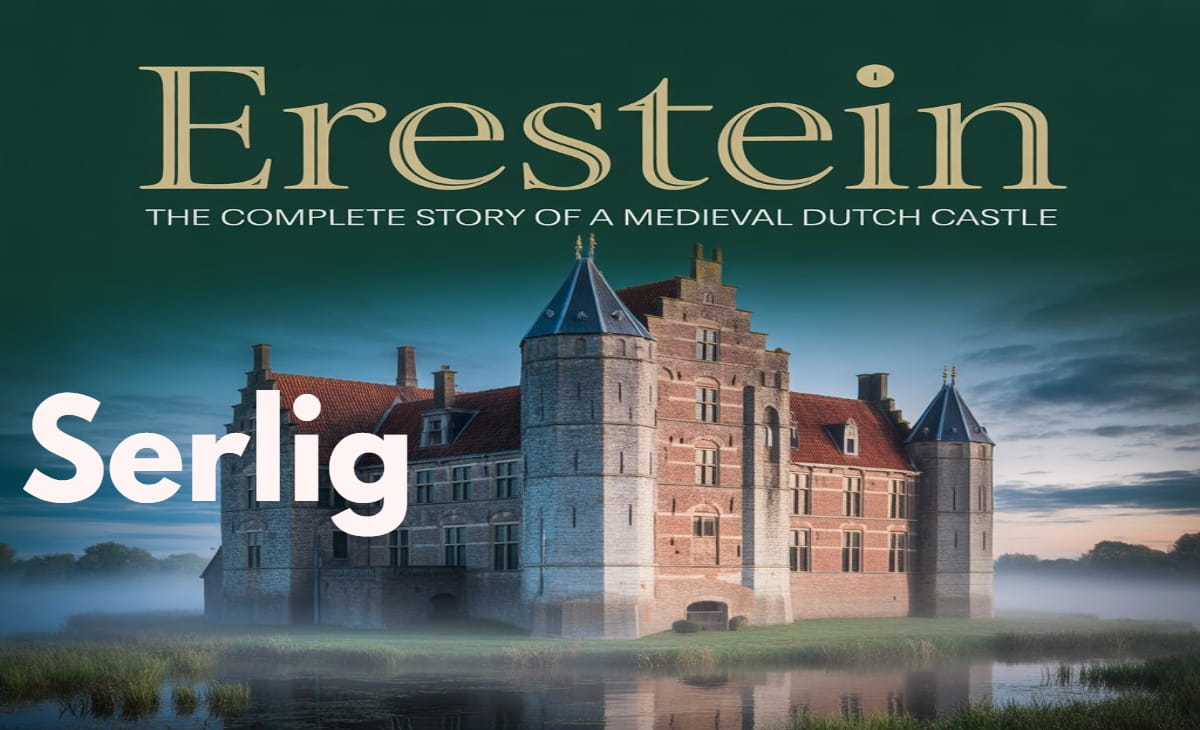
Kasteel Erenstein is a 14th-century moated castle in the Anstel Valley near Kerkrade, in the Dutch province of Limburg. Surrounded by a water-filled moat fed by the Anstelerbeek brook, it sits within a protected wetland nature reserve known locally as the Groene Long (Green Lung).
The castle is one of the oldest surviving structures in the municipality of Kerkrade. For nearly 700 years it has stood in the same valley — outlasting the families who built it, the fire that reshaped it, the monks who prayed in it, and the television cameras that turned it into a national icon.
Today it operates as a four-star Fletcher hotel and restaurant, making it one of the rare medieval castles in the Netherlands where you can not only visit but actually sleep and dine within the historic walls.
What Does “Erenstein” Mean?
The name is a corruption of the family name Van Ederen — the knights who built and first occupied the estate. Over generations, “Ederen” shortened to “Eren,” and the Germanic suffix stein (meaning fortified stone house) was added. The full meaning: the stone fortress of the Ederen family.
You may encounter it spelled three ways in different sources: Erenstein, Erestein, or Ehrenstein. All three refer to the same place. The official Dutch heritage register lists it as Erenstein.
Seven Centuries of History: From Watchtower to Hotel
14th Century: Built to Control a Trade Route
The castle’s origins trace to around 1340, when it was constructed as a watchtower along the vital medieval trade corridor between Cologne and the Flemish cities of Ghent and Bruges. This was one of the most commercially important routes in northern Europe. Whoever controlled it controlled the movement of goods, merchants, and wealth through the region.
Erenstein formed one of four principal fiefs within the lordship of Herzogenrath — a military asset and a symbol of power in equal measure. The Van Ederen family built it and occupied it for over a century.
15th–17th Century: Noble Ownership Passes Hand to Hand
The castle changed ownership repeatedly — not through war but through the equally dramatic forces of debt and marriage.
In 1450, Adolf II van Ederen mortgaged the castle due to financial difficulties. Unable to repay, the property passed to Heinrich van Gronsveld. Around 1485, it passed by marriage to the Huyn van Amstenrade family. In 1562, Daniel Spies von Büllesheim took ownership. By 1707, Hendrik Poyck acquired the estate, and his family retained it until 1802 — a period of relative stability after centuries of frequent transfers.
1708: The Fire That Shaped the Castle Forever
The most dramatic event in the castle’s physical history came just one year after the Poycks took possession. On 11 May 1708, a major fire caused severe damage. Only the south and east wings were rebuilt, with reconstruction completed by 1722. The west wing was never replaced.
The L-shaped footprint that visitors see today — two wings standing at right angles — is a direct result of that fire. It is not the castle’s original form, but rather the shape history left it in.
19th Century: Country Estate to Church Property
The Colen family purchased the castle in 1802, using it first as a summer residence and later as their principal family seat. Around 1858, the estate passed by marriage to the de Grand Ry family, settling into a quieter era as a country estate.
In 1903, the Colen/de Grand Ry family gifted the entire complex to French Franciscan fathers, who established a seminary on the grounds and added a modern cloister wing. For the first time in its history, the castle became a place of religious education rather than noble residence.
20th Century: From Monks to Museum to Artists
The Franciscans occupied Erenstein until 1940, when the municipality of Kerkrade purchased it for 20,000 Dutch guilders during the German occupation. The town used the castle as a regional museum — which it remained until closing for restoration in 1961. The mining collection housed there was transferred in 1974 to the new mining museum at nearby Rolduc.
One of the most charming chapters came between 1946 and 1956, when regional painters and sculptors from Limburg used parts of the castle as studios and ateliers. A medieval fortress briefly became a creative hub — a detail that most visitors never know.
1980–Present: Hotel and National Monument
From 1980 to 2010, the castle belonged to Camille Oostwegel’s ChâteauHotels & Restaurants group, which transformed it into a hospitality destination. In 2010, Fletcher Hotels took ownership and continue to operate it today as one of their flagship four-star properties.
Architecture: What You’ll Actually See
The L-Shaped Layout
The castle consists of two wings at right angles, with outbuildings and a baroque castle garden. This form reflects the incomplete reconstruction after the 1708 fire rather than any original medieval design intention.
Baroque influences are visible throughout, particularly associated with the Aachen region and the prominent architect Johann Joseph Couven, who had significant influence on several design decisions. His decorative touches remain visible today.
Interior Highlights
Inside the preserved wings, visitors encounter:
- An elaborate period staircase that sets the tone the moment you step through the door
- Large chandeliers that fill the rooms with dramatic light
- A noteworthy 18th-century chimney surround that remains one of the finest decorative features in the building
- Dining rooms, billiard rooms, and corridors that retain a genuinely medieval atmosphere
The Moat and Baroque Garden
The moat, fed by the Anstelerbeek brook, surrounds the castle and gives it the classic watchtower silhouette that photographs so well. The baroque garden features both ponds and fountains, complementing the castle’s architecture and providing a peaceful outdoor space for hotel guests and day visitors.
Kasteel Erenstein as a Hotel and Restaurant
The Fletcher Hotel Experience
The hotel occupies a traditional square Limburg farmhouse dating to 1713 — historically separate from the castle itself but fully integrated into the Erenstein estate today. Guests sleep in the farmhouse, dine in the castle, and move freely between the historic buildings and grounds.
What the hotel offers:
- 45 luxury rooms, including 12 suites
- Breakfast served in the quaint conservatory, with views across the castle courtyard (served weekdays 7:00–10:00 AM, weekends 8:00–11:00 AM)
- Free WiFi throughout the property
- Free parking
- Bicycle rentals for exploring the surrounding nature reserve and trails
- Bar and lounge
- Tour and ticket assistance for nearby attractions
The Restaurant
The restaurant occupies the original castle building, giving diners a genuine medieval setting with stone walls, period features, and an atmosphere that few modern restaurants can replicate. The menu offers:
- Romantic dinners for two — the castle setting makes this a popular choice for anniversaries and special occasions
- High Tea — a particularly popular option for afternoon visitors who want to experience the castle without committing to a full meal
- Family dinners
- Terrace dining — the castle opens onto a terrace during warmer months
Visitor tip: Recent reviews on TripAdvisor suggest the quality and consistency of the restaurant can vary by day and season. Weekend dinners tend to receive stronger reviews than midweek visits. Checking recent feedback before booking is worthwhile.
Nearby Alternatives
For visitors who prefer a more relaxed dining option, the Nieuw-Ehrenstein Brasserie is located a short walk from the castle at Nieuw-Erensteinerweg 5 and serves lunch and dinner in a historic farmstead setting. It consistently receives strong visitor reviews for food quality and value.
De Verraders: The Television Legacy
How the Castle Became a National Icon
Kasteel Erenstein gained extraordinary national fame when it was selected as the filming location for De Verraders — one of the Netherlands’ most watched and talked-about television programmes.
Seasons 1 and 2 (2021 and 2022) were filmed entirely at the castle. The production chose Erenstein specifically because COVID-19 travel restrictions made filming abroad impossible. The castle’s dramatic medieval atmosphere proved so effective that it became inseparable from the show’s identity.
What De Verraders Actually Is
De Verraders (Dutch for The Traitors) is a psychological game show broadcast on RTL 4. A group of well-known Dutch celebrities lives together in the castle for the duration of filming. At the start, a small number of participants are secretly designated as Verraders (Traitors). The rest are Getrouwen (Faithful).
Each night, the Traitors secretly meet to select one Faithful player to “murder” — eliminating them from the game. Each day, all players compete in challenges to earn shared prize money, while the Faithful attempt to identify and vote out the Traitors around a round table.
The tower room — where the Traitors gathered secretly each night — became one of the most memorable images of Dutch television in recent years.
What Happened After Season 2
From Season 3 onward, De Verraders moved abroad. Season 3 (2023) and Season 4 (2024) were filmed at Château de Beguin in France. Season 5 (2025) also filmed in France, also Season 6 moved to Belgium. The show has now run six regular RTL 4 seasons plus several Halloween special editions on Videoland.
Erenstein remains the original home of the programme — the castle where the format first aired and established its identity. Many fans still visit specifically to see the rooms that appeared on screen during those first two seasons.
Visiting as a De Verraders Fan
The Fletcher Hotel welcomes fans who want to experience the castle for themselves. You can:
- Dine in the same restaurant where contestants shared meals
- Walk the corridors that served as the setting for tense elimination discussions
- Book a hotel room and stay overnight in the estate
- Explore the grounds that appeared in establishing shots throughout the series
The Surrounding Area: What to Do Beyond the Castle
Erenstein’s setting in the Anstel Valley is as compelling as the castle itself. The area offers several experiences worth building into any visit.
The Cranenweyer Reservoir Walk
The recommended walking route begins at the castle and follows the Anstelerbeek brook through fields to the Cranenweyer reservoir. This body of water covers approximately 20 hectares and holds a distinction that surprises most visitors: it is the only reservoir in the Netherlands. The walk continues around the lake through forest, returning via the Amstelerbeek valley to the Hamboskapel — a small historic chapel surrounded by woodland.
The trail offers excellent birdwatching, with swans, ducks, storks, and other water birds frequently spotted on and around the reservoir. The fish population in the lake is notably large and visible from the bank.
Rolduc Abbey
A short drive from Erenstein, Rolduc is a remarkably well-preserved Romanesque abbey complex founded in 1104 and now listed as a national heritage site. Its 12th-century church and Rococo-style library are among the finest examples of their kind in the Netherlands. The mining collection previously housed at Erenstein now lives here.
Gaia Zoo
Located just a 3-minute walk from the hotel, Gaia Zoo is a popular family attraction for visitors staying at Erenstein with children.
SnowWorld Landgraaf
One of the largest indoor ski facilities in Europe, SnowWorld is located approximately 2.8 km from the castle — a practical option for visitors travelling in winter months.
The Three-Country Point (Drielandenpunt)
A short drive from Erenstein brings you to the Drielandenpunt — the precise location where the Netherlands, Belgium, and Germany all meet at a single point. It is the only such tripoint in the world involving these three countries and a popular stop for visitors exploring the border region.
Kerkrade City and Cross-Border Exploration
Kerkrade itself sits directly on the Dutch-German border, divided from its German twin city of Herzogenrath by a boundary line drawn at the Congress of Vienna in 1815. The border is essentially invisible today — you can walk or cycle into Germany without any formality. The city of Aachen (Germany) is approximately 15 km away, and Liège (Belgium) is within easy reach for a half-day excursion.
Heritage Status: Why Erenstein Is Formally Protected
Kasteel Erenstein carries dual monument protection — an unusual distinction that reflects its exceptional historical significance.
It is listed as Rijksmonument no. 23573 (a national monument of the Netherlands) and also holds provincial monument status in Limburg. Any alterations to the structure require formal approval from heritage authorities and must respect the historical character of the complex.
This protection is not merely symbolic. It means the castle cannot be significantly altered, modernised in ways that damage its historic fabric, or demolished. The L-shaped wings, the baroque garden, the moat, and the interior features that survive today are legally preserved for future generations.
Planning Your Visit: Practical Tips
Getting there: The castle is located at Kerkradersteenweg 4, 6468 PA Kerkrade. The nearest major airport is Maastricht Aachen Airport. Aachen Hauptbahnhof (Germany) is accessible by train and a short taxi ride away.
Best time to visit: Spring and autumn offer the most pleasant conditions for the surrounding walking trails and outdoor terrace dining. Summer sees higher hotel occupancy — book well in advance for weekend stays.
For De Verraders fans: The castle is open to hotel and restaurant guests throughout the year. There is no dedicated fan tour, but hotel staff are generally familiar with the programme and happy to point out relevant spaces.
For history visitors: The restaurant and hotel are open to non-staying guests. Day visitors can walk the castle grounds, dine in the restaurant, and take the Cranenweyer reservoir trail without booking a room.
For hikers and nature visitors: The trail around Cranenweyer is accessible without any booking or entrance fee.
Wedding and events: The castle accepts bookings for weddings, private dinners, and corporate events. Contact the hotel directly via the website for availability and pricing.
Frequently Asked Questions
Where exactly is Kasteel Erenstein?
The castle is located at Kerkradersteenweg 4, 6468 PA Kerkrade, in the Limburg province of the Netherlands. It sits in the Anstel Valley, approximately 30 km from Maastricht and 15 km from Aachen, Germany.
How old is the castle?
The castle dates to approximately 1340, making it around 685 years old. It was rebuilt in 1722 after a fire in 1708, but the original foundation and surviving walls trace back to the 14th century.
Can you stay overnight at Erenstein?
Yes. The Fletcher Hotel-Restaurant Kasteel Erenstein is a four-star hotel with 45 rooms and 12 suites. Guests stay in the historic 1713 farmhouse on the estate and have full access to the castle, restaurant, and grounds.
Was De Verraders filmed at Erenstein?
Yes — but only the first two seasons (2021 and 2022). From Season 3 onward, the show moved to filming locations in France and Belgium. Erenstein remains the original home of the programme and the location most closely associated with its early identity.
Is the castle open to non-hotel guests?
Yes. The restaurant is open to visitors who are not staying at the hotel. The castle grounds and surrounding walking trails are also accessible to day visitors.
What is the Cranenweyer reservoir?
The Cranenweyer is a 20-hectare reservoir located a short walk from the castle via the Anstel Valley trail. It is historically notable as the only reservoir in the Netherlands, making the area doubly unique — medieval heritage and a rare geographical feature in a single walk.
What is the castle’s heritage status?
Erenstein is listed as Rijksmonument no. 23573 (a Dutch national monument) and also holds provincial monument status in Limburg. Both designations protect the structure from alteration and ensure its preservation.
How do I get to Erenstein from Maastricht?
By car, the journey takes approximately 30 minutes via the A76 motorway. Public transport options exist but require connections through Heerlen. A rental car gives the most flexibility for exploring the wider South Limburg region.
Explore more by reading this related post: Nomurano: A Complete Guide to Japan’s Hidden Paradise of Culture, Craft, and Natural Beauty
The Bottom Line
Kasteel Erenstein earns its place as one of the Netherlands’ most compelling destinations through the sheer layering of what it offers. The medieval architecture, the baroque garden, the moat, the walking trail to the country’s only reservoir, the luxury hotel experience, the famous restaurant, and the television legacy of De Verraders all exist in one remarkably small area of South Limburg.
Few destinations in the Netherlands combine this much history, this much natural beauty, and this much cultural resonance in a single visit. Whether you come for a day or stay for a weekend, Erenstein delivers something that genuinely cannot be replicated anywhere else in the country.