Secret’s Out: Where to Find the Best Vitel Tone Near Me (And What Locals Never Tell You)
If you have stumbled across Vitel Toné on a restaurant menu and felt curious, this guide is for you. Searching for the best Vitel Tone near me goes beyond satisfying a craving. It is a journey into one of the most fascinating cross-cultural dishes in the world.
Tender, cold-sliced veal draped in a silky tuna-and-caper sauce sounds unusual at first. One bite, however, tells you exactly why food lovers keep searching for it. This guide covers the full story — history, ingredients, restaurant tips, food pairings, a home recipe, and everything else you need to find and enjoy the best Vitel Toné near me.
Quick Fact Table: Vitel Toné at a Glance
| Feature | Details |
| Also Known As | Vitello Tonnato, Vitel Thoné, Ternera Atunada |
| Origin | Piedmont, Northern Italy (18th century) |
| Serving Temperature | Cold or room temperature |
| Main Ingredients | Veal, tuna, anchovies, capers, olive oil, lemon |
| Best Served As | Appetizer, holiday dish, light main |
| Popular In | Italy, Argentina, Uruguay |
| Holiday Connection | Argentine Christmas & New Year tradition |
| Difficulty to Find | Moderate — specialty item, not on every menu |
What Is Vitel Toné?
Vitel Toné — also written as Vitel Tone, Vitel Thoné, or Vitello Tonnato — is a cold dish of thinly sliced poached veal. A smooth, creamy tuna-based sauce covers each slice. The sauce blends canned tuna, anchovies, mayonnaise, capers, olive oil, and lemon juice into a silky finish.
Restaurants serve it chilled or at room temperature. This makes the dish feel both refreshing and deeply satisfying at the same time.
The meat-and-seafood pairing surprises many first-timers. The veal stays mild and delicate, almost buttery when prepared correctly. The tuna sauce brings richness, umami depth, and a bright tang from capers and lemon. These elements work together to create something refined, complex, and completely accessible.
How It Looks on the Plate
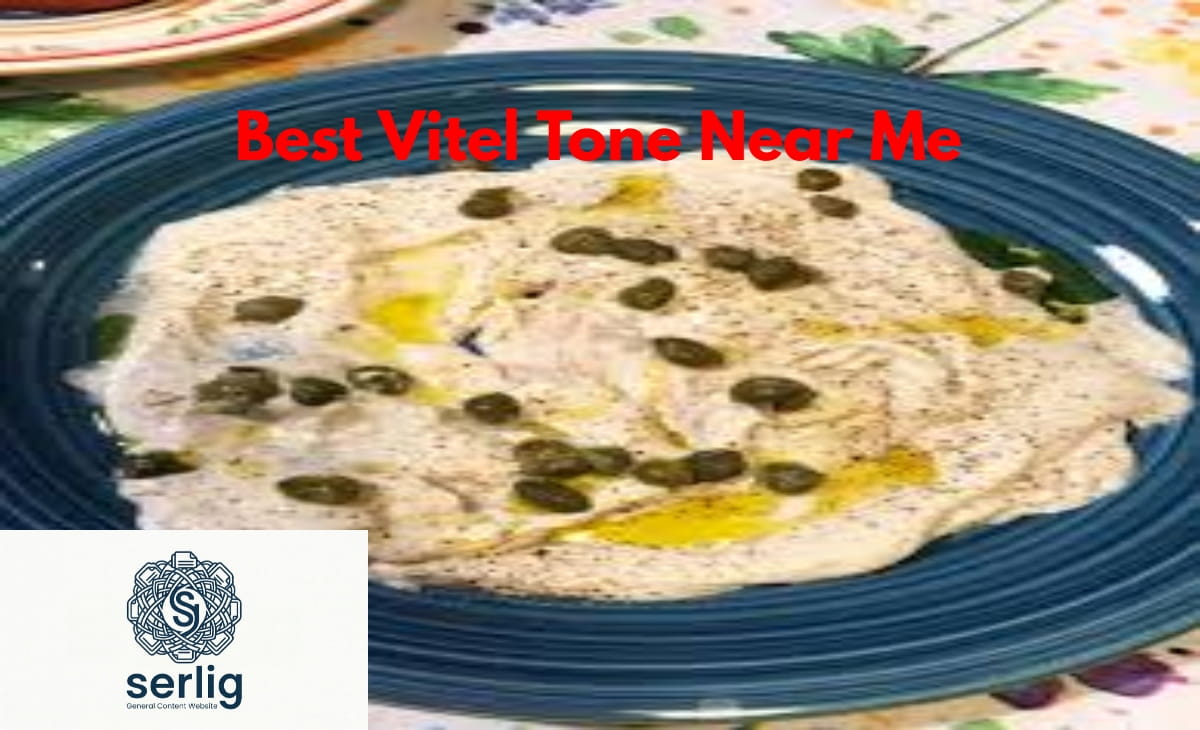
A traditional Vitel Toné plate looks simple and elegant. Thin slices of pale meat fan out across the dish. A creamy ivory sauce covers them generously. Whole capers, a few anchovy fillets, and a drizzle of olive oil finish the presentation. Sometimes chefs add fresh parsley or arugula leaves for color and freshness.
Restaurants usually serve it as an appetizer or starter. A generous portion can stand as a light main course on its own.
The Origins: From Piedmont to the Pampas
Understanding the origin of Vitel Toné deepens your appreciation every time you eat it.
Northern Italy: Where It All Began
The dish comes from the Piedmont region of Northern Italy. Cookbooks first mentioned it during the 18th and 19th centuries. Piedmont borders Liguria, a coastal region known for tuna fishing, canning, and trading olive oil, lemons, and capers. All of those trade goods ended up in the sauce.
Early cooks created the dish as a practical way to use leftover veal. They paired mild meat with a bold, savory sauce built from pantry staples. The combination became popular quickly across Italy.
Vitello Tonnato earned a loyal following throughout the country. Chefs valued its unusual flavor profile and its elegant simplicity. Today, Northern Italian restaurants still treat it as a regional classic.
Italian Immigration Carried It to Argentina
The dish traveled to South America with Italian immigrants during the late 19th and early 20th centuries. Settlers from the north brought their culinary traditions to Argentina and Uruguay. Local cooks embraced the recipe and made it their own.
Argentina adopted Vitel Toné so completely that many people now consider it a national dish. The Italian roots sometimes get forgotten amid its local popularity.
A Summer Christmas Tradition
Argentina celebrates Christmas and New Year during summer months. December heat makes cold dishes ideal for festive gatherings. Vitel Toné fits perfectly into that setting.
Generations of Argentine families passed the recipe down through the years. The dish now carries deep nostalgic meaning. It connects people to childhood holiday memories and family tables. That emotional connection explains why so many people in Argentine communities search for the best Vitel Tone near me every December.
Why People Keep Searching for the Best Vitel Tone Near Me
Vitel Toné does not appear on every menu. Unlike pizza or pasta, it demands careful preparation, quality ingredients, and proper chilling time. Restaurants that rush the process produce dry, bland, or fishy versions that disappoint everyone.
Nostalgia Drives Many Searches
People who grew up eating this dish at holiday tables look for that same experience as adults. Finding a great version nearby feels like reconnecting with something meaningful. The dish carries memory and emotion in every bite.
Curiosity Attracts New Fans
First-time searchers usually discover Vitel Toné through food photography. The creamy sauce, glossy capers, and elegant slices photograph beautifully. Instagram and food blogs have exposed this dish to millions of new viewers. Many of them head straight to Google to find it near them.
Social Media Boosted Its Visibility
Food bloggers and chefs now showcase Vitel Toné regularly on social platforms. That visibility pushed more restaurants to add it to their menus. Cities with strong Italian or Argentine communities now offer more options than ever before.
What Makes an Authentic Vitel Toné?
Not every kitchen produces authentic Vitel Toné. Knowing what separates a great version from a mediocre one helps you choose the right restaurant.
The Veal: Foundation of the Dish
Chefs traditionally use eye of round or top round cuts. These lean cuts poach evenly and slice thinly without falling apart.
The cooking method matters just as much as the cut. Chefs poach the veal slowly in an aromatic broth — onions, carrots, celery, bay leaves, and herbs all go in. After cooking, the meat cools slowly inside its own liquid. This “slow-cooling” technique locks in moisture and prevents dryness.
The result is veal that stays soft, moist, and easy to cut even when served cold. Dry, chewy, or grayish meat signals a rushed kitchen.
The Sauce (Salsa Tonnata): Soul of the Dish
Authentic sauce blends high-quality canned tuna in oil, anchovy fillets, capers, mayonnaise or emulsified egg yolks, lemon juice, and sometimes a splash of white wine vinegar. The texture should feel silky — not too thick, not watery.
Tuna enhances the overall flavor without taking over. Anchovies build depth and saltiness without making the sauce taste fishy. Capers cut through the richness with a bright, tangy note. A well-balanced sauce is one of the most satisfying condiments in classical cuisine.
Kitchens that skip anchovies or use low-quality tuna produce flat, one-dimensional results. A glossy, smooth appearance signals a properly made sauce.
The Garnish: Simple and Purposeful
Whole capers, a few anchovy fillets, good olive oil, and fresh herbs finish a proper plate. Simple garnish lets the main components shine. Over-decorated plates often mean the kitchen is hiding weaker fundamentals underneath.
Where to Find the Best Vitel Tone Near Me
Finding exceptional Vitel Toné takes a bit of strategy. Start your search with these specific venue types.
Northern Italian Restaurants
Restaurants specializing in Northern Italian cuisine offer the most authentic versions. Look for menus that reference Piedmont, Lombardy, or Liguria. Kitchens that serve antipasti, handmade pasta, and regional Italian wines understand traditional preparation methods. These signals indicate a kitchen that takes heritage seriously.
Argentine and Uruguayan Restaurants
Cities with South American communities offer excellent options. Traditional Argentine bodegones — classic neighborhood eateries — often serve Vitel Toné as a seasonal special in December and January. Family-owned restaurants catering to expat communities frequently keep it on the menu year-round.
Gourmet Delis and Specialty Food Shops
Premium delicatessens and European specialty food shops often prepare Vitel Toné fresh for takeaway. These spots are underrated. Home-style versions from local Italian or South American delis sometimes taste more authentic than restaurant plates.
Italian Wine Bars and Upscale Bistros
Contemporary wine bars and upscale bistros occasionally serve modernized or deconstructed versions. These interpretations differ from traditional recipes but showcase excellent ingredients and refined technique. Metropolitan cities like Miami, New York, Buenos Aires, Madrid, and cities throughout Italy offer the highest concentration of top-rated venues.
How to Search Online Effectively
Use these practical tips when searching for the best Vitel Tone near me online.
Try multiple name variations. Search “Vitello Tonnato,” “Vitel Toné,” “Vitel Tone,” and “ternera atunada” to catch all listings.
Filter by cuisine type. Italian, Argentine, and Uruguayan filters on Google Maps and Yelp narrow results quickly.
Read reviews with focus. Look for mentions of tenderness, sauce quality, freshness, and authenticity — not just star ratings.
Study food photos. A well-prepared plate looks clean. Thin slices covered in pale, glossy sauce are the right signs. Dry meat or heavy decoration are warning signs.
Call ahead. Vitel Toné often appears as a seasonal or rotating item. Confirming availability before you travel saves disappointment.
Pairing Vitel Toné: What to Eat and Drink Alongside It
Italian Tradition
In Italy, Vitel Toné typically starts a meal as part of an antipasto spread. Cured meats, pickled vegetables, and olives accompany it on the table. A crisp white wine elevates every bite — Gavi di Gavi, Pinot Grigio, or a well-chilled Vermentino all work beautifully with the creamy sauce.
Argentine Tradition
Argentine holiday tables surround Vitel Toné with potato salad, green salads, fresh bread, and other cold preparations. Sparkling water with lemon or a light rosé wine suits a warm outdoor summer setting. The dish feels festive without being heavy, which makes it ideal for long holiday meals.
Dessert Pairings
A classic Italian panna cotta rounds out the meal on the Italian side. An Argentine dulce de leche-based dessert brings the evening to a warm, sweet close on the South American side.
Making Vitel Toné at Home
When a great nearby restaurant does not exist, making Vitel Toné at home delivers outstanding results. The process takes planning, but the steps stay simple.
Ingredients (Serves 4)
- 800g veal eye of round or top round
- Poaching aromatics: onion, carrot, celery, bay leaf, black peppercorns
- 200g good-quality canned tuna in olive oil, drained
- 4–6 anchovy fillets
- 3 tablespoons capers, plus extra for garnish
- 150g mayonnaise
- Juice of half a lemon
- 2 tablespoons extra virgin olive oil
- Salt and white pepper to taste
Method
Poach the veal in seasoned broth over low heat for 45–60 minutes. Cool the meat completely inside the liquid — overnight in the refrigerator works best. Blend the tuna, anchovies, capers, mayonnaise, lemon juice, and olive oil until the texture turns completely smooth. Adjust seasoning to taste.
Slice the veal very thinly against the grain. Arrange the slices on a platter. Spoon the sauce generously over them. Add garnish and serve chilled.
Prepare the dish a day ahead for the best results. Flavors deepen overnight and the sauce soaks gently into the meat.
Variations Worth Knowing
Creative cooks and modern chefs have developed interesting alternatives to the traditional recipe.
Chicken or turkey replaces veal in many Argentine households. These cuts cost less and suit people who prefer poultry.
Beef tenderloin delivers a richer flavor. Argentine kitchens commonly use this substitution and it works extremely well.
Tofu or seitan gives vegetarians and vegans a version they can enjoy. Blended chickpeas, vegan mayonnaise, and nori seaweed recreate the oceanic depth of the original sauce.
Avocado-enriched sauce adds extra creaminess while lightening the overall richness. Contemporary chefs favor this twist for modern menus.
Conclusion: Start Your Search Today
The search for the best Vitel Tone near me leads to something genuinely special. This dish bridges cultures, connects generations, and delivers an experience unlike anything else on a menu. It is elegant without pretension, simple without being plain, and satisfying without heaviness.
Every plate carries a story — from Piedmontese kitchens in Northern Italy to Argentine holiday tables under the summer sun. Finding a great version near you means tasting that entire journey in one sitting.
Start with a Northern Italian restaurant, an Argentine bodegón, or a local European deli. Use multiple search terms and trust the photos. Call ahead to confirm availability. Once you taste an authentic version, you will understand immediately why people never stop looking for it.
See it on a menu? Order it. Cannot find it nearby? Make it at home. Either way, Vitel Toné rewards every effort you put into finding it.
Explore more by reading this related post: Best Provoleta al Horno Near Me: Where to Find the Meltiest, Most Irresistible Grilled Cheese Dish You’ve Never Tried
FAQs
What exactly is Vitel Toné and where does it come from?
Vitel Toné is a cold dish of thinly sliced poached veal topped with a creamy sauce made from tuna, anchovies, capers, and olive oil. It originates from the Piedmont region of Northern Italy and became a beloved holiday tradition in Argentina through Italian immigration.
Is Vitel Toné available year-round or only during holidays?
Many restaurants offer it year-round, especially in cities with Italian or Argentine communities. However, some kitchens treat it as a seasonal item and serve it mainly during Christmas and New Year celebrations. Always call ahead to confirm availability before visiting.
What types of restaurants serve the best Vitel Tone near me?
Northern Italian trattorias, Argentine and Uruguayan family restaurants, gourmet European delis, and upscale Italian wine bars are your best options. Look for venues that specialize in regional Italian or South American cuisine rather than generic Italian chains.
How can I tell if a Vitel Toné is authentic and high quality?
Check three things: the meat should be moist, tender, and easy to cut — never dry or chewy. The sauce should look glossy and feel silky — not too thick or overly fishy. The garnish should stay simple. Over-decorated plates often hide poor-quality preparation underneath.
Can I make Vitel Toné at home if I cannot find it at a restaurant?
Yes, and it is very rewarding to make. Poach a veal eye round in aromatic broth, cool it overnight, slice it thin, and cover it in a blended sauce of tuna, anchovies, capers, mayonnaise, lemon, and olive oil. Prepare it a day ahead — the flavor improves significantly with overnight resting time.