Kraft Paper Bags: 7 Powerful Reasons They’re the World’s Smartest Eco Packaging Choice (2026 Guide)
Kraft paper bags are everywhere — and for good reason. Walk into any grocery store, boutique, bakery, or farmers market today, and you will spot them immediately. These simple, sturdy brown bags carry products safely, look great on shelves, and break down naturally after use.
But there is far more to kraft paper bags than meets the eye. Businesses choose them to cut plastic waste, boost brand image, and meet growing consumer demand for sustainable packaging. Retailers love the premium feel. Food producers trust their food-safe quality. Industrial companies rely on their raw strength.
This guide covers everything you need to know: what kraft paper bags are, how manufacturers make them, which types exist, where businesses use them, why they beat plastic, and how to choose the right one. Read on to discover why kraft paper bags lead the global packaging market — and why that lead keeps growing.
What Are Kraft Paper Bags?
Kraft paper bags are packaging containers made from kraft paper. Manufacturers produce this paper through the kraft process — a chemical pulping method that breaks wood chips into strong, fibrous pulp. The word “kraft” comes from the German and Swedish word for “strength,” and the name fits perfectly.
Regular paper loses much of its natural fiber strength during production. Kraft paper does not. It retains lignin and cellulose from wood, which gives it superior tear resistance and load-bearing capacity. This is why kraft paper bags carry heavy groceries, bulk industrial goods, and delicate retail items without failing.
Natural Brown or Bleached White?
Natural kraft paper keeps its warm brown color from unbleached wood pulp. Bleached kraft paper goes through an extra whitening step to produce clean white or off-white sheets. Both variants offer excellent strength. The choice between brown and white usually comes down to branding and aesthetics rather than function.
How Kraft Paper Is Made
Understanding the manufacturing process explains the bag’s famous durability. Here is a step-by-step breakdown:
Step 1 — Wood Chip Preparation: Workers feed wood chips, usually from softwoods like pine or spruce, into large digesters.
Step 2 — Chemical Cooking: A hot solution of sodium hydroxide and sodium sulfide (called “white liquor”) cooks the chips. This dissolves the bonds holding wood fibers together while keeping the fibers themselves intact and strong.
Step 3 — Pulp Washing: Machines wash the resulting pulp to remove residual chemicals. Most kraft mills recycle these chemicals back into the process, which reduces waste significantly.
Step 4 — Paper Formation: The clean pulp feeds into a paper machine. Rollers press and dry it into continuous sheets at high speed.
Step 5 — Rolling and Cutting: Machines wind the finished sheets into large rolls. Factories then cut these rolls to exact dimensions needed for bag production.
Step 6 — Bag Manufacturing: Cutting, folding, and gluing machines shape the paper into finished bags. Handles, gussets, and coatings get added at this stage depending on the bag type.
The entire process recycles most chemical inputs and burns organic byproducts for energy. This makes kraft paper one of the more efficient and responsible paper production methods in the industry.
7 Main Types of Kraft Paper Bags
Kraft paper suits a wide range of bag designs. Each type solves a specific packaging challenge.
1. Flat Paper Bags
Flat bags are the simplest design — two layers sealed at the sides and bottom. Bakeries, delis, and sandwich shops use them daily. They wrap bread, pastries, and deli items quickly and cost very little to produce.
2. SOS (Self-Opening Satchel) Bags
SOS bags feature a flat, square bottom. They stand upright on their own when open, which speeds up packing at checkout counters. These are the classic grocery bags most shoppers know well. They hold heavy loads and work perfectly in high-volume retail environments.
3. Pinch-Bottom Bags
A folded, glued flap seals the bottom of pinch-bottom bags. They sit flat when empty, saving storage space. Hardware stores, seed suppliers, and flour and sugar packers use them widely. They offer a reliable, no-fuss closure for powdered or granular products.
4. Gusseted Bags
Side or bottom gussets expand outward to increase a bag’s holding capacity. The bag stays compact when empty but opens up wide when full. Coffee roasters, snack brands, and grain suppliers favor gusseted kraft bags because they hold bulky products without wasting shelf space.
5. Handle Bags (Twisted and Flat)
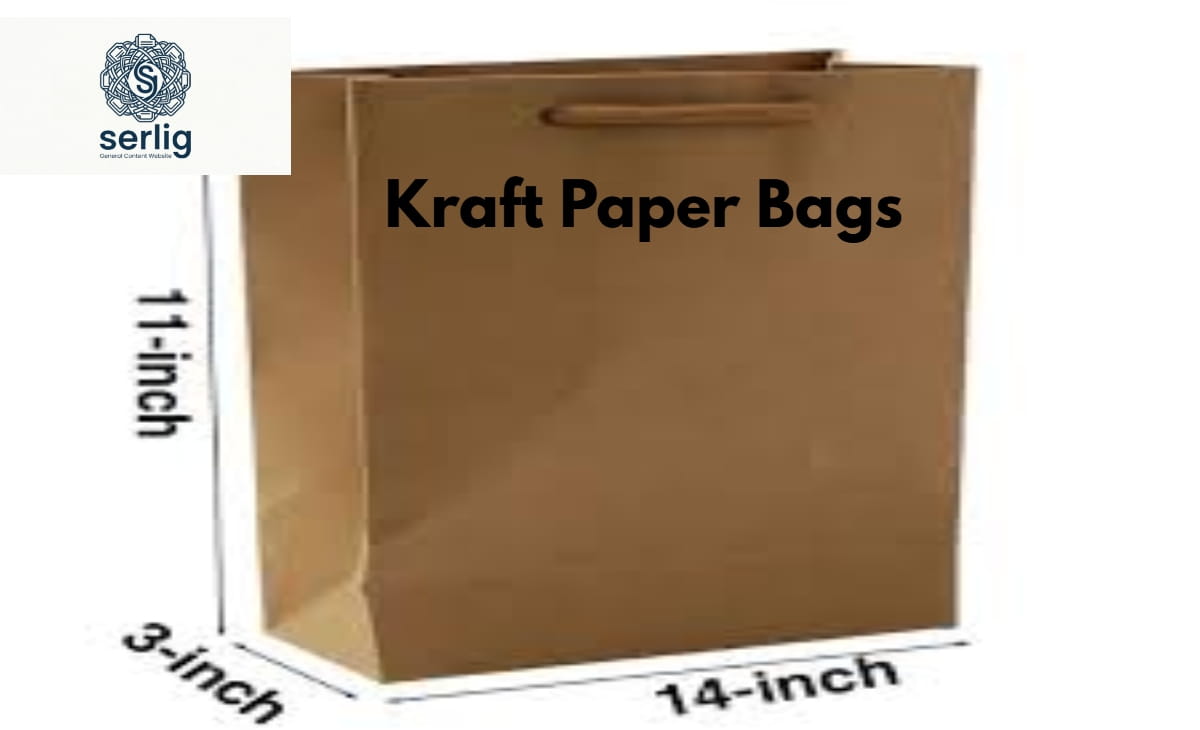
These are premium retail bags. A twisted rope handle or a flat die-cut handle makes carrying comfortable for shoppers. Clothing boutiques, bookstores, gift shops, and specialty food brands use them to create a strong brand impression. Custom printing makes these bags walking advertisements for any business.
6. Multiwall Kraft Bags
Multiwall bags consist of two or more layers of kraft paper laminated together. This construction handles extreme weight — from 10 to 100 pounds. Construction companies use them for cement and plaster. Farmers use them for fertilizer and animal feed. Chemical companies use them for powders and resins. Some versions include an inner plastic liner for moisture protection.
7. Greaseproof and Waxed Kraft Bags
A wax or grease-resistant coating on these bags blocks oil and moisture from soaking through. Fast food restaurants, popcorn vendors, and fried food stalls rely on them to keep packaging intact during service. They look clean, perform well under heat, and still biodegrade faster than plastic alternatives.
Common Uses Across Industries
Kraft paper bags appear in nearly every sector of the economy. Here is where they make the biggest impact:
Retail and Fashion
Retailers want packaging that reflects brand values. Kraft bags project craftsmanship, quality, and environmental responsibility. Clothing stores, cosmetics brands, and artisan producers all use custom-printed kraft bags to create a premium unboxing experience.
Food Service
FDA approval for direct food contact makes kraft paper bags a natural fit in food businesses. Cafes, bakeries, fast food chains, and catering companies use them daily. Their breathable structure keeps baked goods crispy and fresh longer than sealed plastic bags.
Grocery and Supermarkets
Governments worldwide ban single-use plastic bags. Supermarkets respond by switching to kraft paper alternatives. Shoppers get a reusable, biodegradable bag strong enough for a full week of groceries. Everyone wins.
E-commerce and Shipping
Online retailers ship lightweight items — clothing, books, cosmetics — in reinforced kraft paper mailers. These bags cut packaging weight, lower shipping costs, and align with eco-conscious brand messaging.
Agriculture and Industry
Heavy-duty multiwall kraft bags handle the toughest jobs. Cement, fertilizer, chemicals, and animal feed all ship in these bags reliably. They withstand rough handling in warehouses and on loading docks.
Gifting and Luxury
Kraft bags with ribbon handles, tissue paper, and custom print work create a memorable gifting experience. The natural texture signals authenticity and care — qualities luxury and artisan brands want to communicate.
Environmental Benefits of Kraft Paper Bags
The eco case for kraft paper bags is strong and backed by real data.
They Biodegrade Fast
Kraft paper breaks down in 2 weeks to 5 months under normal environmental conditions. Plastic bags take 400–1,000 years. Paper leaves no microplastics in soil or water. Plastic does.
Recycling Is Easy
Most curbside recycling programs accept kraft paper bags without any special sorting. Paper mills repulp used bags into new paper products. A single fiber can go through this cycle multiple times before losing strength.
Wood Pulp Is Renewable
Trees grow back. Petroleum does not. Kraft paper manufacturers source wood from managed forests that replant after harvesting. FSC and PEFC certifications confirm responsible sourcing for buyers who want verified sustainability.
Lower Lifecycle Carbon Footprint
Studies comparing full lifecycle emissions show that kraft paper bags generally produce lower long-term carbon impact than plastic bags once disposal and pollution factors come into account.
No Harmful Chemicals
Uncoated kraft paper contains no BPA, phthalates, or synthetic additives. Direct food contact is safe. Composting is safe. Landfill disposal causes no toxic leaching.
Customization and Branding Options
Kraft bags offer extensive customization. Brands do not have to choose between sustainability and good-looking packaging.
Printing methods include flexographic printing for large runs and digital printing for short runs or variable designs. Both produce sharp, vivid results on brown or white kraft paper.
Finishing options range from matte lamination and gloss coating to embossing, debossing, and hot foil stamping in gold, silver, or custom colors.
Handle choices include twisted kraft rope, flat die-cut handles, cotton ribbon, and jute cord. Each creates a different feel and price point.
Size and structure customization allows brands to order bags built exactly around their products — no excess material, no wasted space, and a tighter, more professional presentation on shelves or at checkout.
How to Choose the Right Kraft Paper Bag
Picking the right bag comes down to four key factors.
Product weight and size determine the required GSM and bag dimensions. Light retail items work fine in 70–90 GSM bags. Heavy industrial products need multiwall construction starting at 100 GSM per ply.
Use environment shapes coating choices. Humid outdoor markets, greasy food items, or wet produce call for treated or coated bags. Dry retail products need no special treatment.
Sustainability priorities guide certification choices. Brands targeting eco-conscious consumers should specify FSC-certified paper and water-based inks.
Budget and volume affect the final decision. Larger orders bring unit costs down sharply. Standard sizes cost less than fully custom dimensions. Getting this balance right protects margins without sacrificing quality.
The Future of Kraft Paper Bags
The global kraft paper bag market grows steadily. Plastic bans, e-commerce expansion, and shifting consumer values all drive demand upward. Analysts project a compound annual growth rate of around 4.5% through 2030 across North American, European, and Asia-Pacific markets.
New innovations push the category forward. Water-resistant kraft bags now exist without any plastic coating, using plant-based barrier treatments instead. Compostable adhesives and vegetable-based inks preserve full biodegradability. Smart packaging features — QR codes, NFC chips, and augmented reality triggers — integrate into printed kraft bag surfaces, turning everyday packaging into digital touchpoints.
Sustainability is no longer a niche selling point. It is a baseline expectation for consumers across age groups and income levels. Kraft paper bags sit at the exact center of this shift — practical enough for industrial use, beautiful enough for luxury retail, and responsible enough for a planet that demands better packaging decisions.
Conclusion
Kraft paper bags deliver strength, versatility, and sustainability in one reliable package. They handle groceries, luxury goods, industrial materials, and fast food with equal ease. They biodegrade, recycle, and compost without harming the environment. Businesses use them to cut plastic waste, build brand identity, and meet the expectations of modern, eco-aware consumers.
The choice is clear. Whether you run a boutique, a bakery, a factory, or an online store — there is a kraft paper bag built exactly for what you need. Switch to kraft, and make packaging a part of the solution, not the problem.
Don’t miss this related article on a similar topic: PLG Supplies Uncovered: The One-Stop Guide Contractors Don’t Want You to Skip
Frequently Asked Questions
Are kraft paper bags waterproof?
Standard kraft paper bags are not waterproof. However, waxed and coated variants resist moisture effectively. Manufacturers also offer kraft bags with plant-based barrier coatings that repel water without using plastic films. For everyday dry-goods use, standard kraft holds up well indoors.
How much weight can a kraft paper bag hold?
Weight capacity depends on GSM and construction. A standard 90 GSM grocery bag holds 10–15 lbs comfortably. Heavy-duty multiwall kraft bags handle 25–100 lbs depending on the number of plies. Always match the bag’s GSM rating to your product’s weight for safe, reliable use.
Can kraft paper bags go in the recycling bin?
Yes. Most municipal recycling programs accept kraft paper bags. Remove any non-paper elements like plastic handles or foil inserts before recycling. Clean bags without food residue recycle most efficiently. Check your local program’s guidelines for any specific requirements.
What is the difference between brown and white kraft bags?
Brown kraft bags use unbleached pulp and carry a natural earthy color. White kraft bags go through an extra bleaching step. Both types offer similar strength. Brown bags have a slightly rougher, more organic look. White bags provide a cleaner surface for printing bright colors and detailed designs.