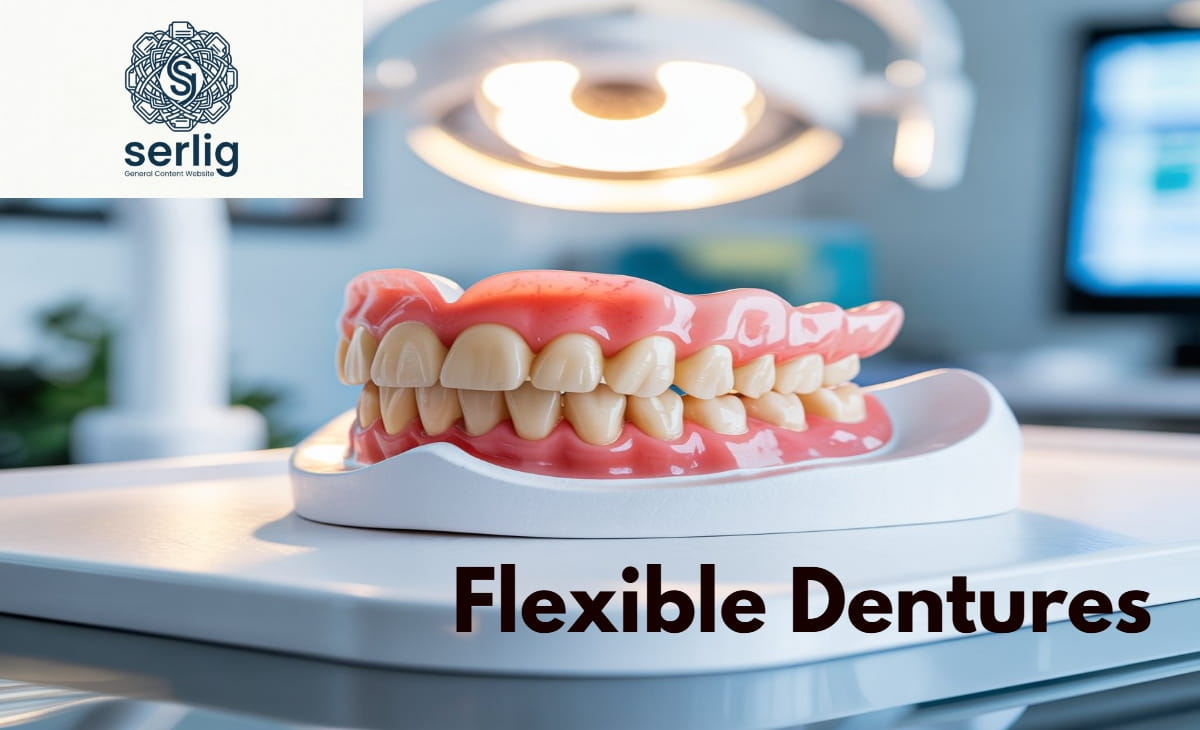
Flexible Dentures: The Modern Solution for a Comfortable, Natural-Looking Smile
Tooth loss affects millions of people worldwide, and for decades, the primary solution was traditional rigid dentures — bulky acrylic plates that often slipped, clicked, and irritated the gums. Today, a significantly more comfortable alternative has taken center stage in restorative dentistry: flexible dentures. Lightweight, virtually invisible, and designed to move naturally with your mouth, flexible dentures have transformed the experience of tooth replacement for countless patients. If you’re exploring options for replacing missing teeth, this guide will walk you through everything you need to know.
What Are Flexible Dentures?
They are removable dental prosthetics made from a thermoplastic nylon resin, most commonly known by brand names such as Valplast or TCS (Thermoplastic Comfort System). Unlike conventional dentures, which are constructed from rigid acrylic or metal frameworks, They are engineered from a soft, pliable material that bends and adapts to the contours of your mouth.
The result is a denture that feels considerably more natural — one that moves with your jaw rather than against it. The material is also translucent, allowing the natural color of your gum tissue to show through the base of the denture. This gives flexible dentures a far more lifelike appearance compared to the opaque pink acrylic base of traditional options.
How Do Flexible Dentures Work?
They rely on the natural undercuts of your gum tissue and remaining teeth for retention, rather than metal clasps or dental adhesives. The pliable nylon base wraps snugly around the gum tissue and, in the case of partial dentures, extends small flexible clasps around adjacent natural teeth.
Because the material is slightly elastic, it grips the contours of your mouth without requiring the tight, rigid fit that causes discomfort in traditional dentures. This adaptive grip is one of the most frequently cited reasons patients choose flexible dentures — they stay in place reliably during eating and speaking, without the embarrassment of slippage.
Types of Flexible Dentures
They come in several forms, depending on how many teeth need to be replaced and the unique anatomy of each patient’s mouth:
- Flexible Partial Dentures The most common type. These replace one or more missing teeth while several natural teeth remain. Flexible partials use tooth-colored or gum-colored clasps to attach discreetly to remaining teeth, making them far less noticeable than metal-clasp partials.
- Flexible Full Dentures Used when all teeth in an arch are missing. Less commonly prescribed than partials, since full dentures generally require more structural support than flexible material alone can provide. However, they are sometimes recommended for patients with severe allergies to acrylic.
- Flexible Immediate Dentures Placed on the same day as tooth extraction, allowing patients to leave the dental office with a complete smile while their gums heal and a permanent solution is planned.
Key Benefits of Flexible Dentures
The growing popularity of flexible dentures is no accident. They offer a compelling list of advantages over traditional rigid prosthetics:
Superior Comfort
The thermoplastic base distributes pressure more evenly across the gum tissue, dramatically reducing sore spots. Patients who struggled for years with painful, ill-fitting traditional dentures frequently describe switching to flexible dentures as a revelation. There are no hard edges digging into sensitive tissue, and the material warms to body temperature quickly, making it feel less like a foreign object in your mouth.
Natural Aesthetics
The translucent, gum-colored base blends seamlessly with surrounding tissue. The clasps — rather than being made of silver metal — are crafted from a material that matches your natural gum tone. From a distance, it is nearly impossible to tell that a patient is wearing flexible partial dentures at all.
No Metal Components
For patients with metal sensitivities or allergies, flexible dentures offer a completely metal-free alternative. This is particularly significant for individuals who have experienced reactions to cobalt-chromium frameworks used in traditional cast metal partials.
Lightweight Design
They weigh considerably less than their acrylic or metal counterparts. This reduced weight contributes to comfort throughout the day, especially for patients who wear their dentures for extended hours.
Durability and Flexibility
The thermoplastic nylon material is highly resistant to fracture. Where a traditional acrylic denture might crack or break if dropped, a flexible denture typically bends and returns to its original shape without damage. This resilience makes them an especially practical option for active individuals.
Faster Adjustment Period
Most patients adapt to flexible dentures more quickly than to rigid alternatives. The natural feel of the material reduces the speech and chewing disruptions that commonly accompany the adjustment to traditional dentures.
Potential Drawbacks to Consider
While They offer numerous advantages, they are not the right solution for every patient. A thorough conversation with your dentist will help determine whether they suit your specific oral health situation.
Limited Adjustability
One notable limitation of thermoplastic nylon is that it cannot be easily relined or adjusted once fabricated. Traditional acrylic dentures can be modified in-office as the shape of your gums changes over time — a process called relining. Flexible dentures, however, generally cannot be relined, meaning that as bone resorption naturally occurs following tooth loss, the fit may gradually become looser and eventually require full replacement.
Not Ideal for All Clinical Situations
Flexible dentures are most effective as partial dentures. When replacing an entire arch of teeth, the flexibility of the material can actually work against stability, making full flexible dentures less predictable in function than full acrylic dentures with or without implant support.
Staining Over Time
Although modern thermoplastic materials are highly polished and stain-resistant, they are somewhat more porous than high-quality acrylic. Over time, coffee, tea, red wine, and certain foods can cause gradual discoloration, particularly if cleaning routines are inconsistent.
Higher Initial Cost
They typically cost more than traditional acrylic partial dentures, though they are generally less expensive than implant-supported options. Depending on location and dental practice, the cost ranges from approximately $700 to $2,500 per arch.
Flexible Dentures vs. Traditional Dentures
| Feature | Flexible Dentures | Traditional Acrylic Dentures |
| Material | Thermoplastic nylon | Acrylic resin / metal |
| Comfort | High | Moderate |
| Appearance | Very natural | Less natural |
| Adjustability | Limited | High |
| Durability | Fracture-resistant | Can crack/chip |
| Metal-free | Yes | Depends on design |
| Cost | Moderate-high | Lower |
Flexible Dentures vs. Dental Implants
Dental implants are widely considered the gold standard for tooth replacement, offering permanent, bone-anchored prosthetics that function almost identically to natural teeth. However, implants require surgery, a healing period of several months, adequate bone density, and a significantly higher financial investment — often $3,000 to $5,000 or more per implant.
They offer a compelling middle ground: far more comfortable and natural-looking than traditional dentures, and far more accessible in terms of cost and procedure complexity than implants. For patients who are not implant candidates due to health conditions, insufficient bone density, or financial constraints, flexible dentures represent a high-quality, practical solution.
Some patients choose flexible dentures as a transitional option — wearing them while saving for implants or while undergoing bone grafting procedures to become implant candidates.
Who Is a Good Candidate for Flexible Dentures?
They are an excellent choice for:
- Patients missing one to several teeth who want a discreet, comfortable partial denture
- Individuals with metal allergies or sensitivities
- People who have previously struggled with the discomfort of rigid dentures
- Patients seeking an aesthetic, non-invasive tooth replacement option
- Those who want a durable but more affordable alternative to implants
- Patients with relatively stable bone and gum structure
They may be less suitable for patients who need full arch replacement, those with significant bone loss requiring implant-supported prosthetics, or individuals who need a prosthetic that can be easily relined or modified over time.
Caring for Flexible Dentures
Proper maintenance extends the life of flexible dentures and keeps them looking their best:
- Daily cleaning: Remove and rinse after meals. Use a soft-bristle brush with a non-abrasive denture cleaner. Avoid regular toothpaste, which is too abrasive for the nylon material.
- Soaking: Soak overnight in a denture solution recommended by your dentist. Do not use hot water, which can warp the thermoplastic material.
- Avoid bleach: Household bleach and harsh chemicals can damage the material and cause discoloration.
- Regular dental visits: Schedule check-ups every six months so your dentist can assess the fit, condition of the denture, and health of surrounding gum tissue.
- Handle with care: Even though flexible dentures are fracture-resistant, clean them over a folded towel or a basin of water to cushion any accidental drops.
The Fabrication Process
Getting flexible dentures involves a straightforward process typically completed over two to three appointments:
- Initial consultation and impressions: Your dentist takes detailed impressions of your mouth to capture the exact shape of your gums and remaining teeth.
- Try-in appointment: A preliminary model of the denture may be assessed for fit and aesthetics before final fabrication.
- Delivery and fitting: The finished flexible denture is seated, adjusted for comfort, and bite is checked. Your dentist will provide care instructions and schedule a follow-up to assess how well you are adapting.
Conclusion: A Flexible Future for Restorative Dentistry
They represent one of the most significant advances in removable prosthodontics in recent decades. By replacing rigid, uncomfortable materials with an adaptive thermoplastic resin, they have brought a new level of dignity and ease to the experience of tooth replacement. Patients who once dreaded wearing dentures now go about their daily lives — eating, speaking, laughing — with confidence they hadn’t expected to feel again.
If you are considering tooth replacement options, discuss flexible dentures with your dentist or prosthodontist. Together, you can evaluate whether they align with your clinical needs, lifestyle, and budget. For many patients, this flexible solution turns out to be not just comfortable — but life-changing.
Dive deeper with this related post: The Ultimate Vegg List: A Complete Guide to Vegetables for Every Diet and Lifestyle
FAQs
Are flexible dentures more comfortable than traditional dentures?
Yes, flexible dentures are generally more comfortable because they adapt to the shape of your gums and don’t have rigid edges or metal clasps.
How long do flexible dentures last?
Flexible dentures typically last 5–8 years with proper care, though they may need replacement sooner if the fit changes.
Can you eat normally with flexible dentures?
Yes, most patients can eat comfortably, but very hard or sticky foods should be avoided to maintain durability.
Do flexible dentures look natural?
Yes, they are highly aesthetic. Their translucent base blends with natural gums, making them nearly invisible.
Can flexible dentures be repaired or relined?
No, they cannot be easily relined or adjusted like traditional dentures. Replacement is usually required if the fit changes.