How Modern Lighting Projects Benefit from Reliable Components and Smart Design
Introduction
Lighting has become an important part of modern residential, commercial, and architectural projects. Beyond simple illumination, today’s lighting systems support aesthetics, functionality, energy efficiency, and user comfort. As lighting technology continues to evolve, selecting the right components has become essential for achieving dependable performance and long term value.
Understanding the Building Blocks of an Efficient Lighting System
A successful lighting installation depends on more than the light source itself. Every component within the system must work together efficiently. LED strips, power supplies, controllers, connectors, and installation accessories all contribute to overall performance. When these elements are properly matched, users can achieve stable operation, consistent brightness, and easier maintenance throughout the lifespan of the system.\
Why Component Compatibility Matters
Understanding the role of each component helps designers, contractors, and property owners make informed decisions. For example, voltage compatibility, power requirements, waterproof ratings, and installation conditions should all be evaluated before selecting products. Ignoring these factors can lead to reduced efficiency, shortened lifespan, or inconsistent lighting output.
Choosing the Right LED Strip for Different Applications
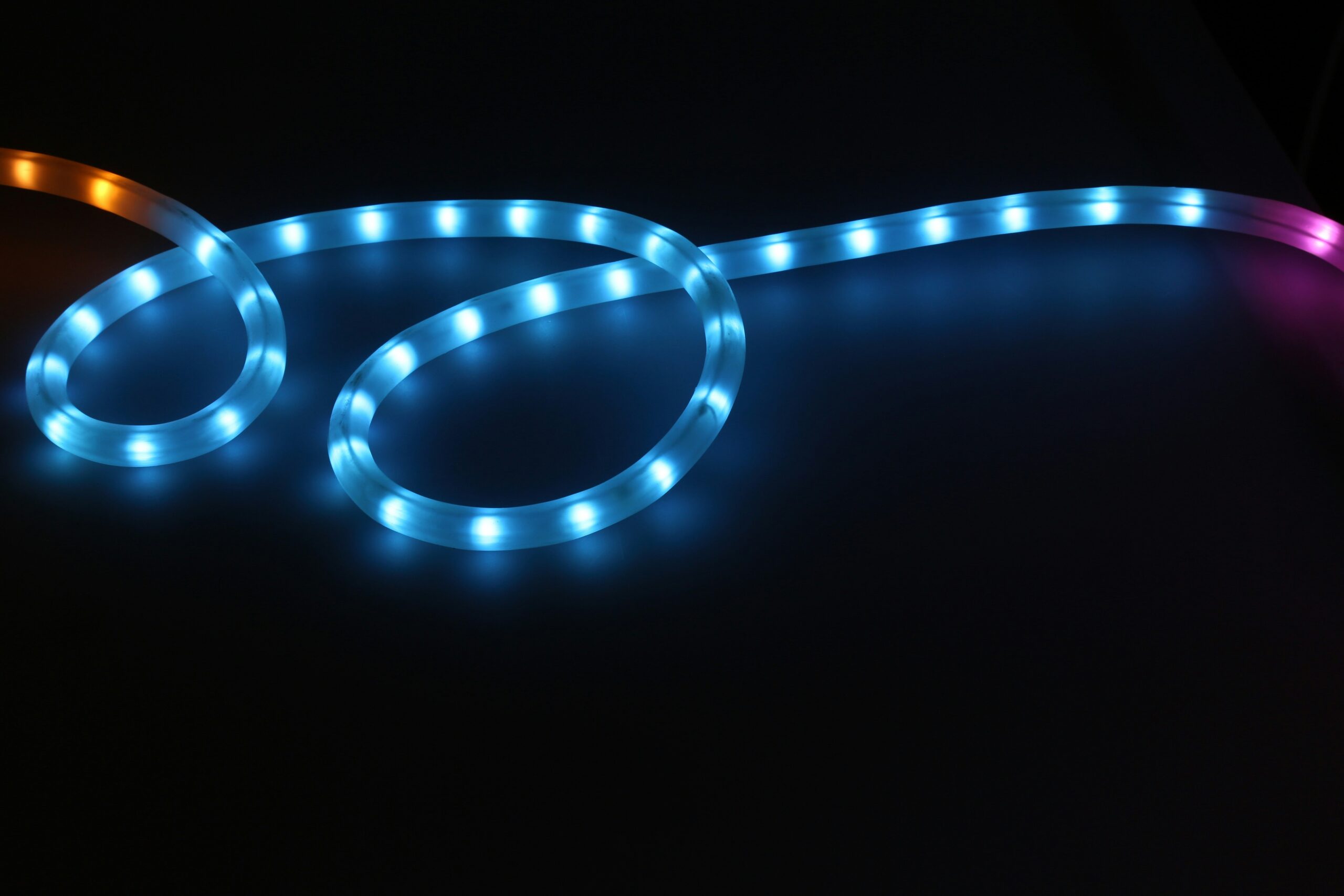
One of the most widely used lighting solutions today is LED strip technology. These flexible lighting products are used in homes, offices, retail stores, hotels, entertainment venues, and outdoor installations. Different strip types are designed to meet different project requirements, making it important to select the right option based on the intended application.
Selecting LED Strip Lights Based on Project Needs
Many projects utilize LED Strip Lights for cove lighting, corridor illumination, signage backlighting, decorative displays, and architectural accents. Depending on the environment, users may choose from waterproof or non waterproof models, various color temperatures, and different LED densities. For example, SMD5050 strips can provide bright illumination with RGB color options, while COB strips offer smooth and uniform lighting without visible light spots. Compared with traditional SMD strips, COB technology creates a cleaner visual effect and simplifies maintenance in many applications.
Why Power Stability Matters in Every Installation
Modern LED strips are available with various technical specifications. A 5050 LED strip may include 300 LEDs over a 5 meter reel with a maximum power rating of 17W per meter. Waterproof options such as IP65 and IP68 allow installation in demanding environments where moisture protection is necessary. IP68 waterproof strips are particularly useful because they can continue operating even when installed in locations exposed to significant water contact. Similarly, 2835, 3014, and 3528 LED strips offer different brightness levels and power consumption characteristics, enabling users to select solutions that fit specific project requirements.
The Importance of Choosing the Right Power Supply
Another important consideration is voltage selection. Many professionals prefer 24V systems because they reduce voltage drop across longer strip lengths. In a 24V configuration, brightness remains more consistent throughout the strip. By comparison, 12V systems can experience noticeable voltage drop, causing the LEDs near the end of the run to appear dimmer. Selecting the correct voltage can therefore improve both performance and installation flexibility.
What to Look for in a Manufacturing Partner
Power management plays a critical role in every LED system. Even the highest quality LED strips require a stable and properly matched power source. Power supplies regulate electrical input and help maintain consistent operation under varying load conditions. Choosing the correct wattage, voltage, and safety specifications can significantly influence the reliability of the entire installation.
Quality, Testing, and Technical Support
Working with an experienced LED Power Supply factory can simplify the process of sourcing compatible components for different lighting projects. Manufacturers that offer a range of power supply solutions allow installers to select products based on system requirements, environmental conditions, and application needs. Properly designed power supplies help reduce electrical instability while supporting efficient operation across residential, commercial, and industrial installations.
How an Experienced LED Power Supply factory Supports Different Projects
In addition to power supplies, lighting controllers provide greater flexibility for users seeking customized lighting effects. RGB touch controllers, for example, support multiple color modes, adjustable brightness levels, and wireless control functions. A controller operating within a DC12V to DC24V range can support various lighting configurations while offering convenient remote operation. Features such as PWM dimming, multiple intensity levels, and RF remote control technology allow users to adjust lighting according to different environments and preferences.
Flexible Solutions for Residential and Commercial Applications
Manufacturing standards also play a major role in product consistency. Companies that invest in testing procedures, production controls, and technical support often contribute to smoother project execution. Shenzhen Dekingled Co., Ltd., established in 2014, manufactures a wide range of LED lighting products, including LED strips, controllers, power supplies, and free cutting COB LED strip solutions. One notable advantage of free cutting COB technology is its ability to resolve installation constraints where standard cutting intervals may not provide sufficient flexibility.
Common Mistakes to Avoid When Planning LED Lighting Systems
For project inquiries or technical discussions, contacts include Emily at emily_led@dekingled.com and Tony Wang at tonywang.deking@gmail.com. The manufacturing facility is located on the 4th Floor, Building C, SanMing Industrial Park, Shiyan Town, Bao’an District, Shenzhen, China.
Installation Tips for Better Performance
Despite the variety of products available, several common mistakes continue to affect LED lighting projects. One of the most frequent issues is using an incompatible power supply. Before installation, it is important to verify that the power source meets the voltage and power requirements of the selected LED strip. Other mistakes include overlooking waterproof requirements, failing to account for voltage drop, and selecting products without considering long term maintenance needs.
Conclusion
Careful planning, proper component selection, and attention to technical specifications help ensure reliable lighting performance. Whether the goal is architectural lighting, decorative illumination, commercial displays, or residential enhancement, a well designed LED system depends on the successful integration of compatible lighting components. By focusing on system reliability and application requirements, users can create lighting installations that deliver consistent performance and meet the demands of modern environments.