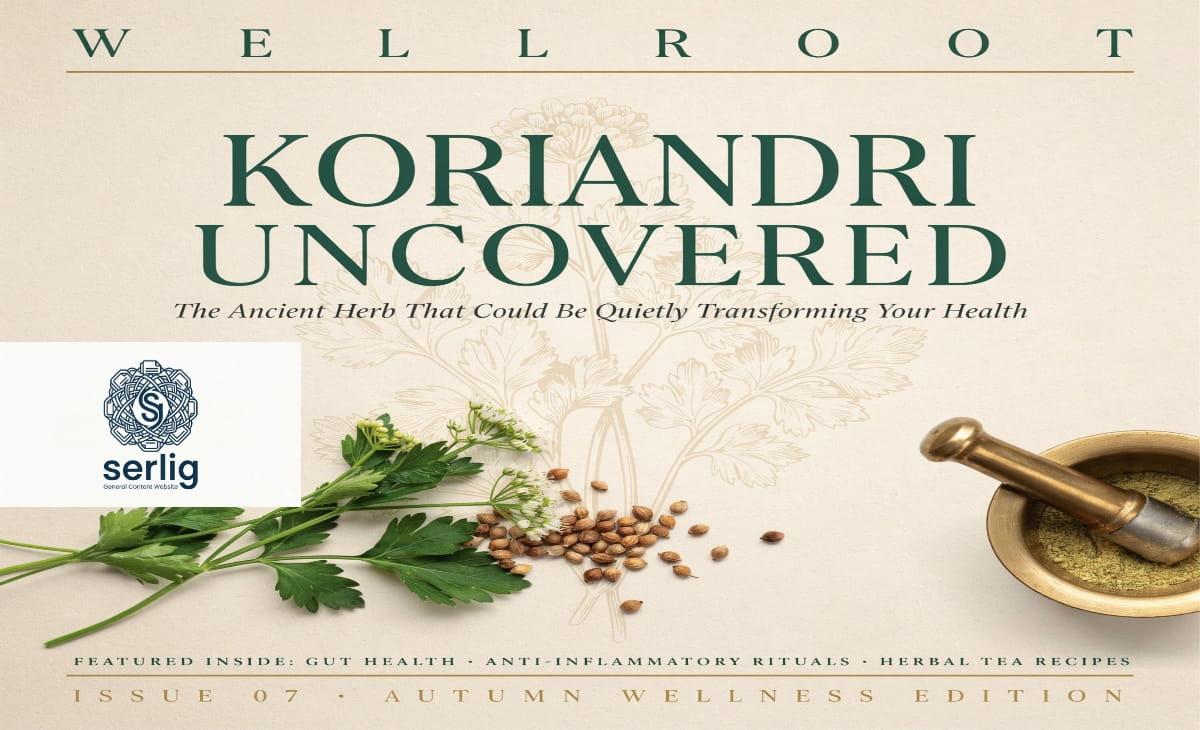
Koriandri Uncovered: The Ancient Herb That Could Be Quietly Transforming Your Health
Koriandri — known internationally as coriander or cilantro — sparks more debate than almost any other herb on Earth. Some people love its bright, citrusy aroma in a curry or salsa. Others swear it tastes like soap. That strange divide alone has made this little herb famous.
Beyond the debate, though, sits a plant with a genuinely ancient history. Its nutritional profile holds up surprisingly well against far more celebrated “superfoods.” Nearly every major cuisine in the world has found a place for it.
This guide breaks down what koriandri actually is, where it came from, why people taste it so differently, and how to use it with confidence in your own kitchen.
What Is Koriandri?
Greek and Albanian speakers use “koriandri” as their word for coriander. Botanists call the plant Coriandrum sativum, and it belongs to the Apiaceae family — the same family as carrots, celery, parsley, dill, and fennel.
Every part of this plant is edible, yet different regions call its parts by different names. Americans use “coriander” for the seeds and “cilantro” for the leaves. Most of the rest of the world simply says “coriander leaves” and “coriander seeds.” Some older English usage even labels it Chinese parsley, despite its roots lying far from China.
This naming split trips up plenty of home cooks. A UK or Indian recipe calling for “fresh coriander” almost always means the leafy herb. An American recipe using the word “coriander,” on the other hand, usually points to the small, round, tan-colored seeds sold as a spice.
A Brief History of Koriandri
Few herbs carry a history as long as this one. Coriander ranks among the oldest spices in the world, with roughly 7,000 years of recorded use behind it. Archaeologists have found its seeds in ancient Egyptian tombs, and references to the plant turn up in Sanskrit texts, the Bible, and ancient Greek and Roman writings.
Trade routes carried coriander from the Mediterranean and Middle East into South Asia, Southeast Asia, and eventually the Americas. Today, hardly any major cuisine skips it: Indian curries and chutneys, Mexican salsas and guacamole, Thai soups, Middle Eastern spice blends, Vietnamese pho, and Ethiopian berbere all lean on coriander seeds, leaves, or both.
Flavor was never coriander’s only job, though. Traditional healers once used it for digestive complaints, and folk medicine also credited it as an aphrodisiac, antibiotic, respiratory remedy, and even a memory and appetite booster. Modern researchers are now testing many of these old claims under proper clinical conditions.
Why Does Coriander Taste Like Soap to Some People?
This soapy-taste mystery counts as coriander’s most famous quirk, and science actually explains it well. Genetic variation in olfactory receptors makes some people far more sensitive to specific aldehyde compounds in the leaves. Those same aldehydes show up in certain soaps and lotions, so the brain links the two smells together.
This soap reaction sticks almost entirely to fresh leaves (cilantro) and rarely touches the dried seeds (coriander). Toasting and drying transform the seeds into something warmer and citrusy, with none of the soapy edge. Anyone who avoids fresh cilantro can usually still enjoy dishes built around ground coriander seed.
Nutritional Profile of Koriandri
Coriander delivers serious nutrition for something used in such small amounts, whether you reach for the leaf or the seed.
Coriander Leaves (Cilantro)
Vitamin A and vitamin C lead the nutrient list in coriander leaves. Dietary fiber, iron, manganese, calcium, vitamin K, and phosphorus round out the profile. The leaves also pack in linoleic acid and 11 essential oils, all while staying low in saturated fat.
Per 100 grams, fresh coriander leaves contain roughly 87.9% moisture, 6.5% carbohydrates, 3.3% protein, 0.14% calcium, 0.06% phosphorus, and 0.01% iron. That same portion delivers 60 mg of vitamin B2, 0.8 mg of niacin, 135 mg of vitamin C, and 10,460 IU of vitamin A. The vitamin C number alone beats many popular fruits, gram for gram.
Coriander Seeds
Seeds bring their own distinct mix of nutrients to the table. Fiber, magnesium, manganese, protein, and iron all show up in meaningful amounts. Eleven essential oil components and six different acids — including ascorbic acid, or vitamin C — round out the seed’s profile.
Vitamin K: A Standout Nutrient
Both leaves and seeds carry a strong dose of vitamin K, the nutrient responsible for healthy blood clotting. Bones rely on vitamin K too, since it helps with repair and lowers osteoporosis risk. Researchers have also linked adequate vitamin K intake to a reduced risk of heart disease.
Health Benefits of Koriandri
Calling coriander a “superfood” isn’t just marketing hype anymore. Real, growing research now backs up several of its traditional uses.
1. Heart Health
Coriander supports heart health through several different mechanisms. As a natural diuretic, it helps flush excess sodium and can lower blood pressure. Early studies also point to coriander lowering “bad” LDL cholesterol, which reduces the risk of atherosclerosis — a major driver of coronary heart disease. Researchers have separately linked coriander seed consumption to improved blood flow.
2. Blood Sugar Regulation
This benefit shows up most consistently across the research. Coriander seeds significantly lower blood sugar in people with diabetes, and current trials suggest they activate enzymes that help the body process glucose more effectively. Anyone on diabetes medication should monitor blood sugar closely before adding therapeutic amounts of coriander, and a conversation with a doctor is worth having first.
3. Digestive Health
Long before science got involved, coriander already had a reputation as a digestive aid — and modern research backs that reputation up. Oil extracted from the seeds speeds up and supports healthy digestion. One eight-week clinical trial gave 32 people with irritable bowel syndrome a coriander-based herbal medication three times daily; abdominal pain, bloating, and discomfort dropped significantly compared with the placebo group.
IBS relief isn’t the only digestive perk, either. Coriander’s essential oils support proper enzyme and digestive juice secretion in the stomach, which speeds up digestion and peristaltic motion. Small culinary amounts also carry a long-standing reputation for reducing flatulence.
4. Anti-Inflammatory and Antioxidant Effects
Antioxidants in coriander fight free radicals throughout the body, and lab studies have linked them to reduced inflammation and slower cancer cell growth. Two compounds drive much of this effect: cineole and linoleic acid both carry antirheumatic and antiarthritic properties that may ease swelling.
5. Brain and Memory Support
Neuroprotection has become an emerging area of coriander research. One study found that coriander extract protected brain cells from damage and improved memory in mice. Researchers attribute this effect largely to coriander’s anti-inflammatory properties, since inflammation drives many forms of brain degeneration.
6. Bone Health
Minerals and vitamin K combine to make coriander genuinely useful for skeletal health. Calcium content alone makes it valuable for anyone focused on bone protection. These minerals support bone regrowth and durability, lowering the risk of osteoporosis over time.
7. Eye Health
Carotenoids in coriander leaves have earned the herb a folk reputation for supporting vision, and the science holds up. Vitamin A, vitamin C, vitamin E, and carotenoids all work together in the leaves to help maintain healthy eyesight.
8. Antimicrobial and Food-Safety Properties
People have used coriander seeds as a food-poisoning preventative for centuries, long before anyone understood why it worked. Modern research has finally identified the mechanism: specific plant compounds in coriander fight foodborne infections directly. One compound called dodecenal shows particularly strong antimicrobial effectiveness.
9. Appetite and Kidney Function
Traditional Iranian medicine uses coriander extract as an appetite stimulant, and one rat study confirmed increased appetite compared with control groups. Kidney health benefits from coriander too, according to traditional medicine — the seeds may improve kidney filtration rate, speeding up urine production and helping flush out toxins.
A Note on Salt Reduction
Cooking with coriander offers one understated bonus: it can reduce overall sodium intake. Because the herb delivers so much flavor on its own, cooks need less added salt to season a dish well. That small shift adds up to a meaningful win for anyone managing blood pressure.
Precautions and Side Effects
Normal culinary amounts of coriander carry very little risk, but a few precautions matter for anyone using it medicinally or in concentrated form.
Small food amounts rarely cause side effects and may even reduce flatulence. Larger, more concentrated doses can increase sun sensitivity, though. People allergic to aniseed, caraway, dill weed, fennel, or mugwort should also watch for coriander allergies, since all of these plants belong to related families.
Coriander’s documented effects on blood chemistry call for extra caution from two groups. Diabetics should monitor their blood sugar closely if they take larger amounts, since coriander naturally lowers it. People with low blood pressure, or anyone taking blood-pressure medication, should also use caution, because coriander can lower blood pressure further.
Anyone who is pregnant, breastfeeding, managing an ongoing medical condition, or taking medication should talk to a healthcare professional before using coriander beyond normal food amounts.
How to Use Koriandri in Cooking
Versatility might be coriander’s best quality. Cooks around the world use the leaves and seeds in these ways:
Fresh leaves (cilantro):
- Garnish soups, tacos, curries, and noodle dishes with raw leaves
- Blend leaves into sauces like Mexican salsa verde, Peruvian aji verde, or Vietnamese dipping sauce
- Puree the leaves with garlic, peanuts, and lemon juice to create a paste for burritos or dips
- Top pasta salads and Thai dishes with chopped leaves
Dried seeds:
- Add whole or ground seeds to spice blends like garam masala, ras el hanout, and curry powder
- Toast and grind seeds fresh for the deepest flavor, since pre-ground seeds lose potency fast
- Drop seeds into pickling brines, where their citrusy, peppery bite balances vinegar’s sharpness
- Grind seeds into a paste for use in doughs and bread preparations
Practical tip: Store fresh coriander leaves stem-down in a glass of water in the fridge, loosely covered with a plastic bag — much like a bouquet of flowers. This trick keeps them fresh for over a week, far longer than the damp-paper-towel method.
Quick Facts Table
| Aspect | Details |
| Botanical Name | Coriandrum sativum |
| Plant Family | Apiaceae (same family as carrots, celery, parsley) |
| Edible Parts | Leaves (cilantro) and seeds (coriander) — both edible |
| History | Roughly 7,000 years of recorded use |
| Key Nutrients | Vitamin A, Vitamin C, Vitamin K, Iron, Manganese, Calcium |
| Top Benefits | Heart health, blood sugar control, digestion, anti-inflammatory support, eye health |
| Famous Quirk | Genetics make some people taste soap instead of citrus |
| Other Names | Cilantro, Chinese Parsley, Dhania |
Conclusion
Koriandri amounts to far more than a garnish or a polarizing flavor debate. This herb carries thousands of years of culinary and medicinal history, a nutrient density that rivals trendier superfoods, and growing scientific support for benefits ranging from blood sugar control to heart health to digestive relief. A handful of fresh leaves can brighten a taco, and a spoonful of toasted seeds can deepen a curry — either way, coriander earns its reputation as one of the world’s most enduring herbs.
Moderation still matters, especially for anyone managing diabetes, low blood pressure, or a related allergy. For most people, though, adding koriandri to regular meals offers an easy, low-effort way to boost real nutritional value on the plate.
If you enjoyed this article, check out this related post: From Hollywood to Healing Plates: How Emelyn Daly Became the Wellness World’s Best-Kept Secret
FAQs
What’s the difference between koriandri and cilantro?
Koriandri (coriander) often refers to the whole plant or its seeds, while Americans use “cilantro” specifically for the fresh leaves. Both names point to the same plant, Coriandrum sativum, just describing different parts of it.
Is it safe to eat coriander every day?
Yes, normal culinary amounts of coriander are safe for daily use and offer real health benefits. Anyone considering medicinal or concentrated doses should check with a doctor first.
Why does coriander taste like soap to some people?
Genetics explain this reaction. Certain olfactory receptor variants make some people highly sensitive to aldehyde compounds in the leaves, and the brain links those compounds to the smell of soap.
Is coriander good for people with diabetes?
Coriander seeds have been shown to lower blood sugar, which can help support diabetes management. Anyone on diabetes medication should still monitor their blood sugar closely before increasing their intake.
How do you keep coriander leaves fresh longer?
Place the stems in a glass of water, cover the leaves loosely with a plastic bag, and store the whole thing in the fridge. This method keeps coriander fresh for over a week.